Why Smart Home Automation Defines Luxury Living in 2025
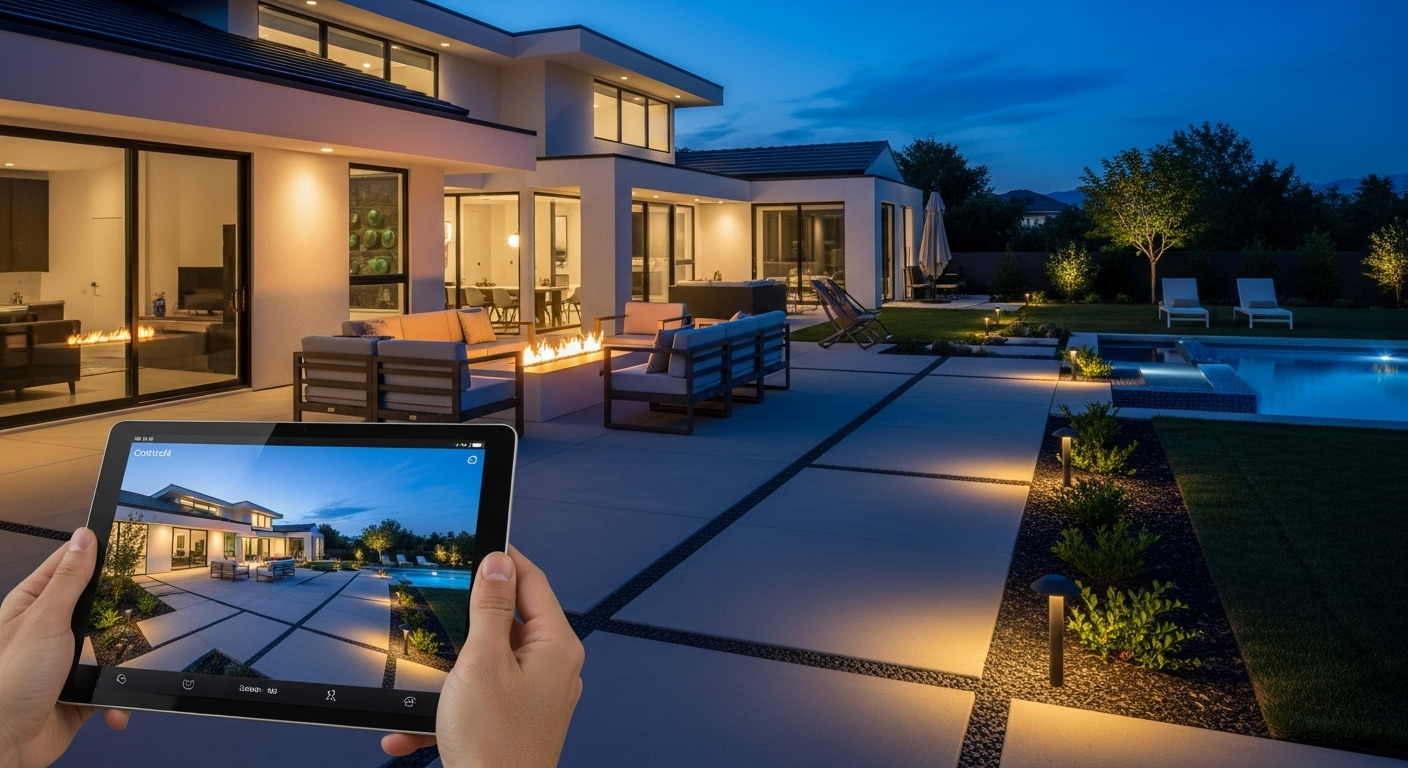
In 2025, luxury homes have entered a new era, one defined by comfort that reacts instantly, design that feels intentional, and technology that works quietly in the background. At Stereo Types, we see this shift every day: smart home automation isn’t an upgrade anymore. It’s the new baseline for how high-end homes are built, renovated, and lived in.
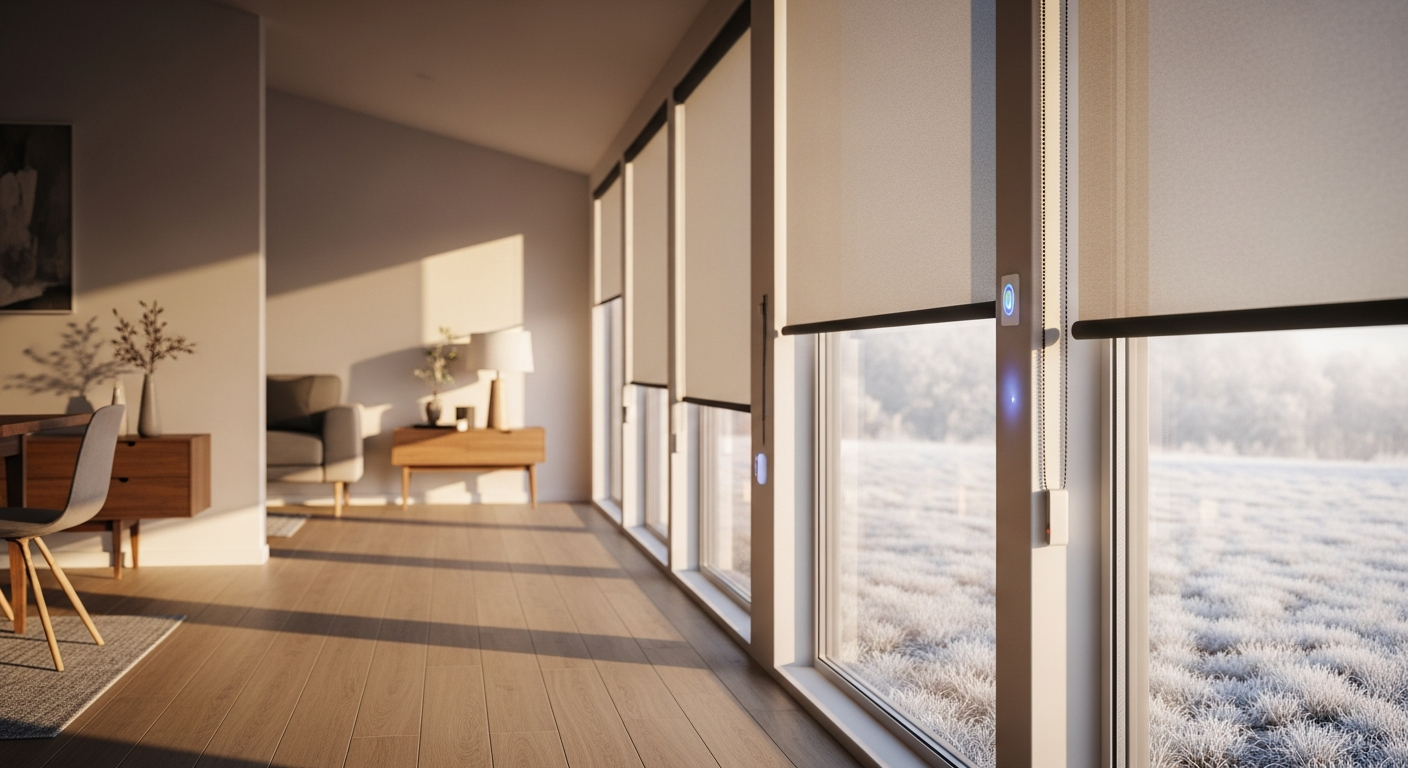
Homeowners want lighting that knows the moment to soften, shades that move with the sun, climate that adapts room-by-room, and audio that fills the space without visible equipment. Architects and designers prefer automated systems because they support cleaner lines, fewer wall switches, and a more curated interior style. Builders know that a property with smart infrastructure simply sells better, it feels future-ready the moment you walk in.
What makes modern automation essential is how naturally it blends into daily life. Wake up to gentle daylight, arrive to a perfectly balanced temperature, or receive a security alert before anything feels wrong. This is the lifestyle that today’s luxury buyers expect, smooth, responsive, effortless.
Key takeaway: Smart automation is now a core expectation in luxury living, and Stereo Types helps homeowners design it the right way.
Quick to Know
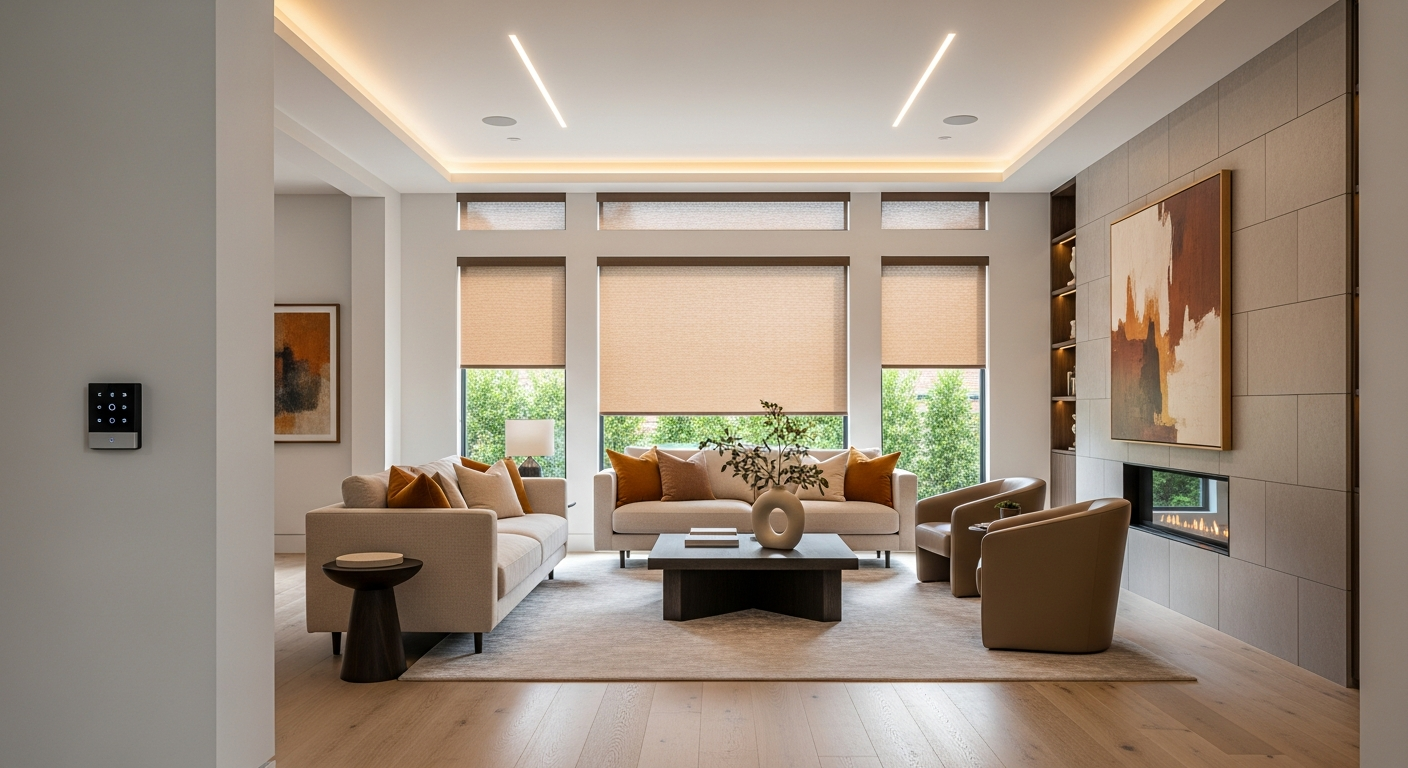
Smart home automation has shifted from optional to essential in today’s luxury market. In 2025, high-end homeowners expect their spaces to adjust automatically, lighting, audio, shading, climate, and security all working together as one system. This creates a home that feels smoother, safer, and beautifully designed.
Professionally integrated systems, like the ones Stereo Types delivers, remove guesswork. They ensure every room responds instantly, stays energy-efficient, and remains easy to control from a single interface. For architects, builders, and designers, automation has become a natural part of the planning stage rather than a late-stage add-on.
Key takeaway: Modern luxury homes are defined by connected systems, and automation is now part of the blueprint.
Key Benefits
Smart automation brings three major advantages to luxury homes: effortless daily comfort, stronger security, and a cleaner interior aesthetic. Homeowners enjoy personalized lighting, ideal temperature control, and seamless audio without visible clutter. Automated shading and energy management reduce costs while enhancing ambiance. Together, these features create a home that feels tailored, elegant, and naturally intuitive.
Key takeaway: Automation upgrades both lifestyle and design in every corner of a high-end property.
Q/A
Q: Why do luxury homes need automation now more than ever?
A: Because expectations have changed. High-end buyers want homes that adjust instantly, from lighting scenes to climate zones, without manual effort. Automation also supports energy efficiency and enhances architectural design by reducing clutter. With systems working together, the home feels more responsive, more secure, and more aligned with modern living standards.
Key takeaway: Automation meets the new lifestyle expectations of 2025’s luxury homeowners.
Why Smart Automation Became a Standard Feature in Luxury Homes
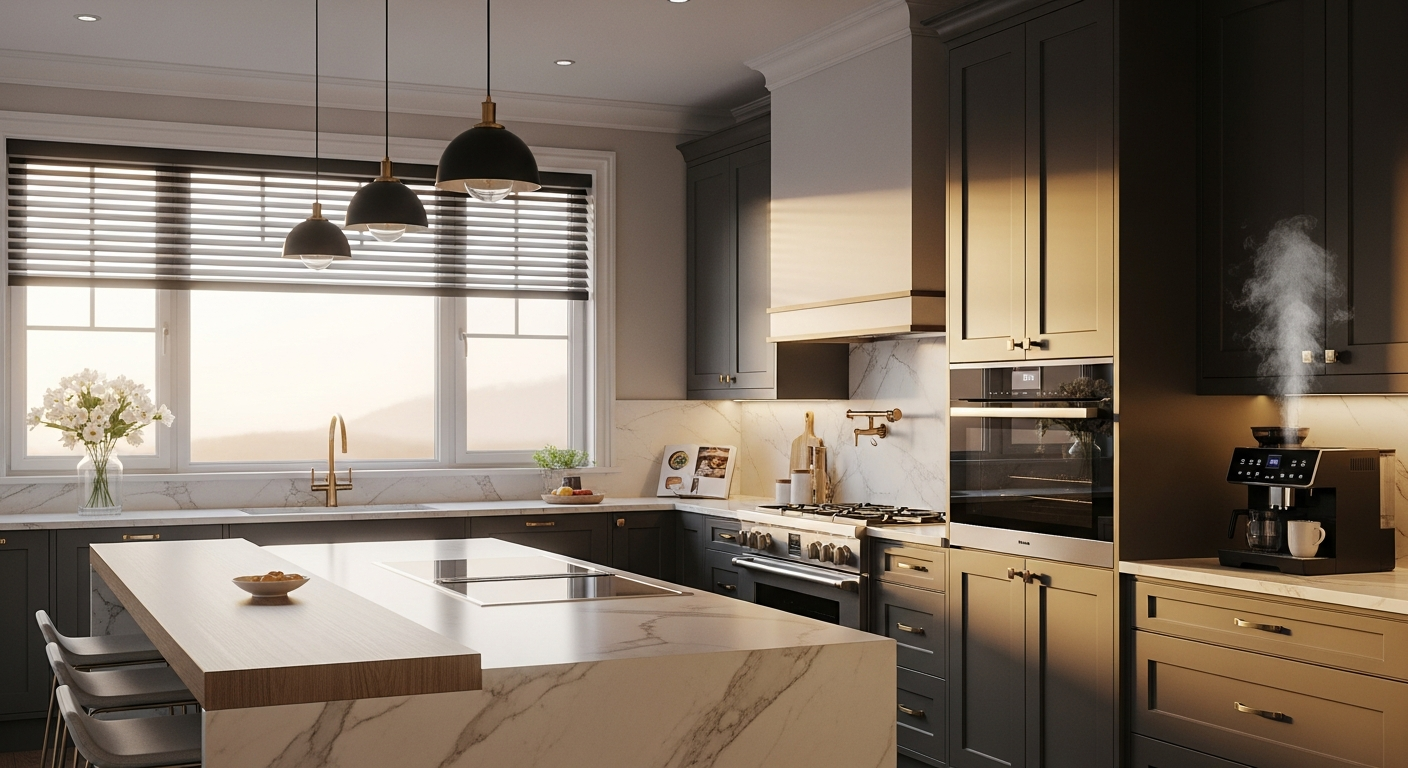
Smart home automation in luxury properties has been growing over the past decade. High-end buyers now want comfort, energy efficiency and easy living. This is why home automation has become a standard feature in homes in 2025.
Owners of luxury homes today expect each room to work perfectly. The lights adjust on their own depending on the time of day. The blinds move with the sun to lessen glare and heat. The temperature is always just right without needing constant adjustments. Audio systems blend with the home's design, providing a pleasant atmosphere without visible speakers. And the security systems work quietly, giving strong protection.
For architects and interior designers, automation helps create sleek, modern looks. Replacing many switches with one stylish keypad or touch screen keeps the design clean. Builders also like how automation boosts a property's value and appeal to buyers, making the home seem ready for the future from the first visit.
This evolution reflects a broader trend: luxury living today is defined by experiences rather than objects. People want homes that feel effortless, intuitive, and beautifully responsive. And that’s exactly what smart automation delivers.
Key takeaway: Automation became standard because it elevates comfort, efficiency, and design all at once.
Recap
Smart automation is now a core part of luxury design because it delivers consistent comfort, stronger energy efficiency, and a cleaner visual aesthetic. It simplifies how homeowners interact with their spaces and ensures every room feels intentional and responsive. For modern premium properties, this blend of function and elegance is no longer optional, it’s expected.
Key takeaway: Automation ties together comfort, efficiency, and design into one seamless experience.
How Automation Elevates Everyday Living in a High-End Home
Modern automation is great because it fits into daily routines easily. Luxury homeowners don't want complex technology. They want things to feel easy and smooth. Automation helps with this. It takes care of small details while keeping the home responsive.
Think about starting your day with soft lights that get brighter as you wake up. The shades open just enough to let natural light in without the glare. The temperature in your bedroom is already set to your liking. In the kitchen, your favorite morning playlist starts playing as soon as you enter. These small changes make your day calm and organized.
In the afternoon, the lighting changes with the sun to keep a balanced feel. Automated climate zones keep different rooms at the right temperature without wasting energy. In the evening, a preset like "Relax," "Dinner," or "Movie Night" changes the lighting, sound, and shades to match the mood.
Security is also made easy. Alerts for the doorbell, driveway motion, and outdoor lights all work together. This keeps you aware without disrupting your day. The home simply takes care of itself.
Key takeaway: Automation enhances everyday living by making each moment feel intentional, comfortable, and effortlessly coordinated.
Q/A
Q: How does automation improve the daily lifestyle in a high-end home?
A: By simplifying routines and shaping the environment automatically. Lighting changes with the time of day, climate zones stay perfectly balanced, audio follows you room to room, and security works quietly in the background. Instead of controlling the home, homeowners simply enjoy it.
Key takeaway: Automation turns everyday moments into smooth, comfortable experiences without extra effort.
The Technical Backbone: Wiring, Networks & Professional Integration
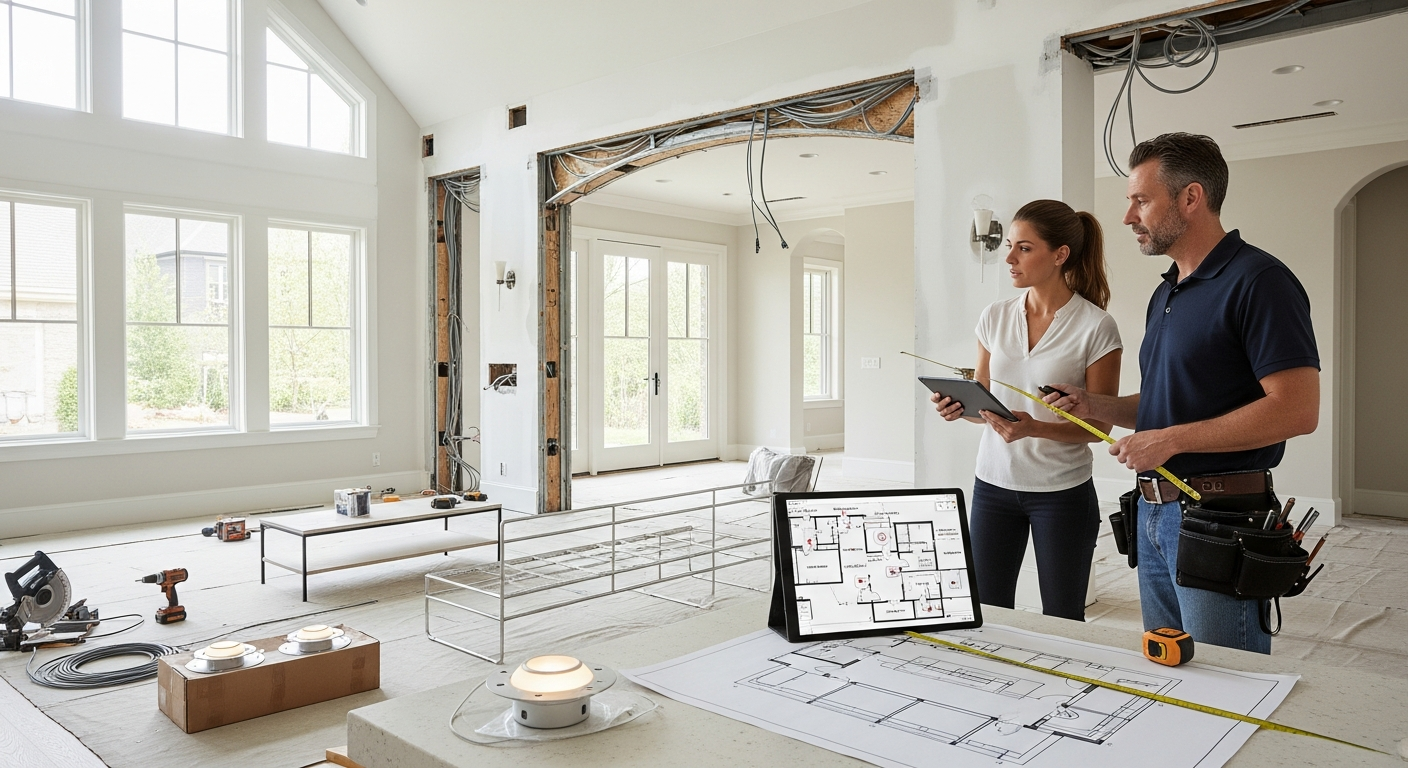
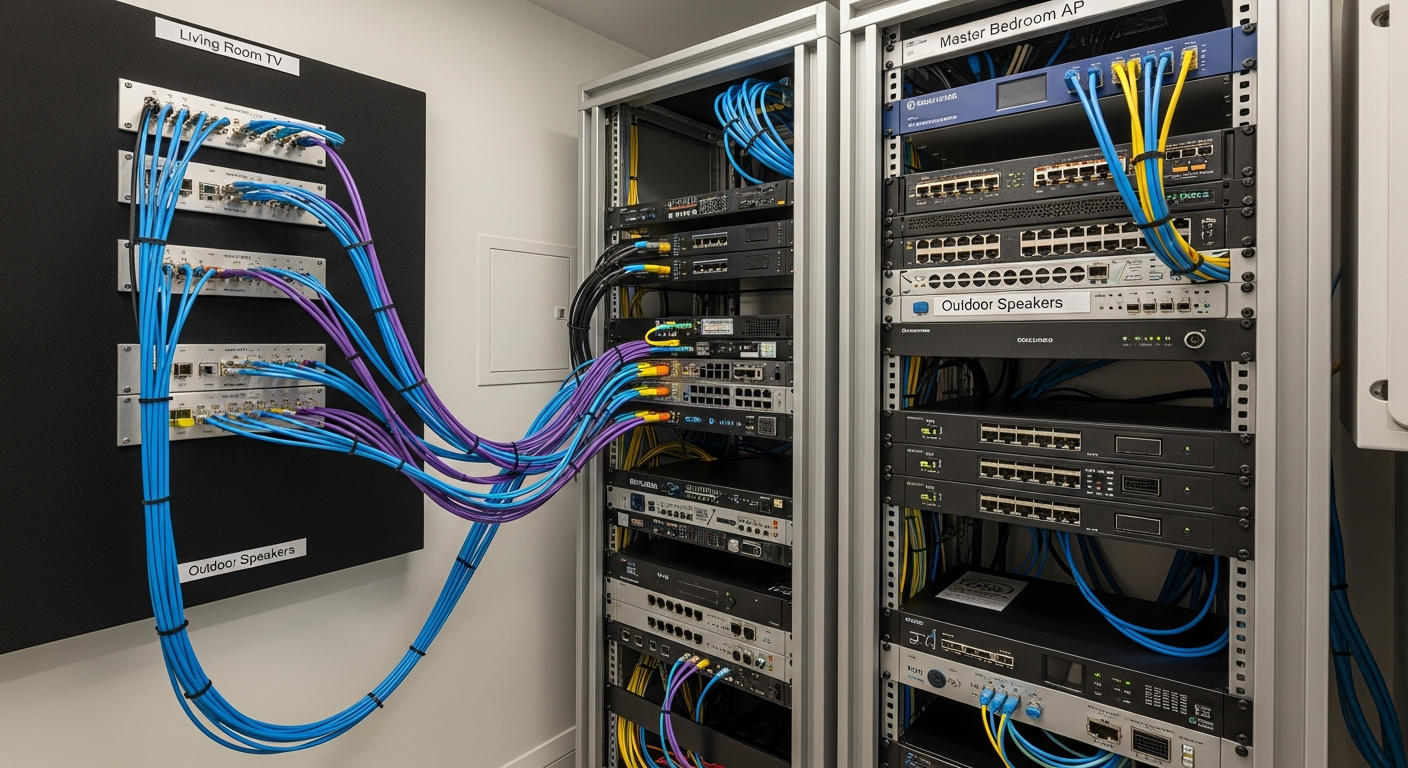
Every luxury experience needs a strong tech base. By 2025, automation systems use structured wiring, steady networks, and pro programming. They work together as one system. This is how high-end homes stand out. It's not about the gadgets they have, but how well they all work together.
A top-quality smart home starts with low-voltage infrastructure. This includes Cat 6A, fiber pathways, dedicated equipment racks, and well-placed access points. These elements allow for quick communication between lights, climate controls, shades, audio systems, and security devices. Without this, systems can be slow, unreliable, or lack features.
Networking is also very important. Modern luxury homes use high-quality Wi-Fi and VLAN separation for smooth and secure automation traffic. This lets control systems respond instantly, even when many devices are being used. Professional installers, like Stereo Types, set up the system so the lights, audio, climate, shades, and security feel like they're part of one design, not separate apps.
The benefit for homeowners is simple: reliability. Everything works the same way, every time. For architects and builders, professional integration protects the design vision and prevents technical issues during construction.
Key takeaway: A true luxury smart home depends on strong infrastructure and expert integration, not just smart devices.
Recap
A high-end smart home only performs well when the wiring, networking, and programming are professionally designed. Strong infrastructure ensures systems respond instantly, stay reliable, and integrate cleanly with the home’s architecture. This foundation transforms automation from a simple convenience into a dependable luxury experience.
Key takeaway: The quality of a smart home comes from the quality of its infrastructure.
What’s Next: Expert Insights & Future Automation Trends for 2025
As smart home automation becomes standard in premium properties, homeowners and designers are thinking ahead, not just about what works today, but what will shape luxury living over the next several years. The future brings even more personalized, intuitive, and design-driven experiences.
One major trend is adaptive automation. Systems will adjust based on behavior patterns, learning what time you wake, which lights you prefer in each room, and how you move across the home. This creates a living environment that feels almost anticipatory.
Another shift is toward hidden technology. Equipment closets, invisible speakers, concealed wiring, and minimalist keypads support cleaner interiors. In luxury design, technology should feel present but never distracting.
Energy intelligence is also growing. Automated shading, daylight harvesting, and occupancy-based climate control will work together to reduce energy use without sacrificing comfort, a key expectation for modern premium buyers.
Finally, homeowners are increasingly choosing one unified control platform instead of separate apps. Professional integrators like Stereo Types design systems where lighting, security, shading, and audio blend naturally into a single interface that “just works.”
Key takeaway: The future of luxury automation is intuitive, invisible, and fully integrated, shaping homes that feel effortless and beautifully coordinated.
Q/A
Q: What future trends should luxury homeowners expect from smart automation?
A: Expect systems that learn your routines, adjust automatically, and blend even more naturally into interior design. Hidden speakers, adaptive lighting, intelligent shading, and unified control platforms will define 2025 and beyond. These features make homes feel calmer, more efficient, and more intuitive, without adding complexity.
Key takeaway: The next generation of automation focuses on personalization and design-first simplicity.
Summary
Smart home automation has become a standard expectation for luxury buyers in 2025
Lighting, climate, shading, audio, and security now work together as one coordinated system.
Automated routines create smoother mornings, calmer evenings, and more balanced comfort throughout the day.
Architects and designers rely on automation to reduce switches, declutter walls, and elevate modern interiors.
Professional integration ensures cleaner wiring, stronger networks, and reliable performance.
Builders see increased property value and better buyer appeal with automation-ready infrastructure.
Unified platforms replace multiple apps, making control simple and intuitive.
Energy intelligence, daylight harvesting, adaptive climate, automated shades, supports sustainability without losing luxury.
Hidden technology and design-first layouts are leading trends in premium homes.
Stereo Types helps homeowners plan systems that feel elegant, effortless, and future-ready.
Key takeaway: Automation is now essential to luxury living, delivering a premium blend of comfort, design, and intelligent performance.
If you're planning a luxury home in 2025, or upgrading an existing one, now is the perfect time to design an automation system that feels seamless, elegant, and built around your lifestyle. Stereo Types works closely with homeowners, architects, and builders to create connected spaces where lighting, shading, audio, climate, and security operate as one.
From the first consultation to final programming, our team ensures your home feels intuitive, beautiful, and ready for the future.
Ready to build a smarter luxury home? Contact Stereo Types today and start designing your fully integrated living experience.