Design-Driven Smart Homes: Technology That Fits the Architecture
Great architecture tells a story. Clean lines, balanced light, thoughtful materials, everything has a purpose. But when technology is added without intention, that story can quickly fall apart. Exposed speakers, mismatched keypads, and cluttered control panels interrupt the design and distract from the space itself. In today’s luxury homes, that approach no longer works.
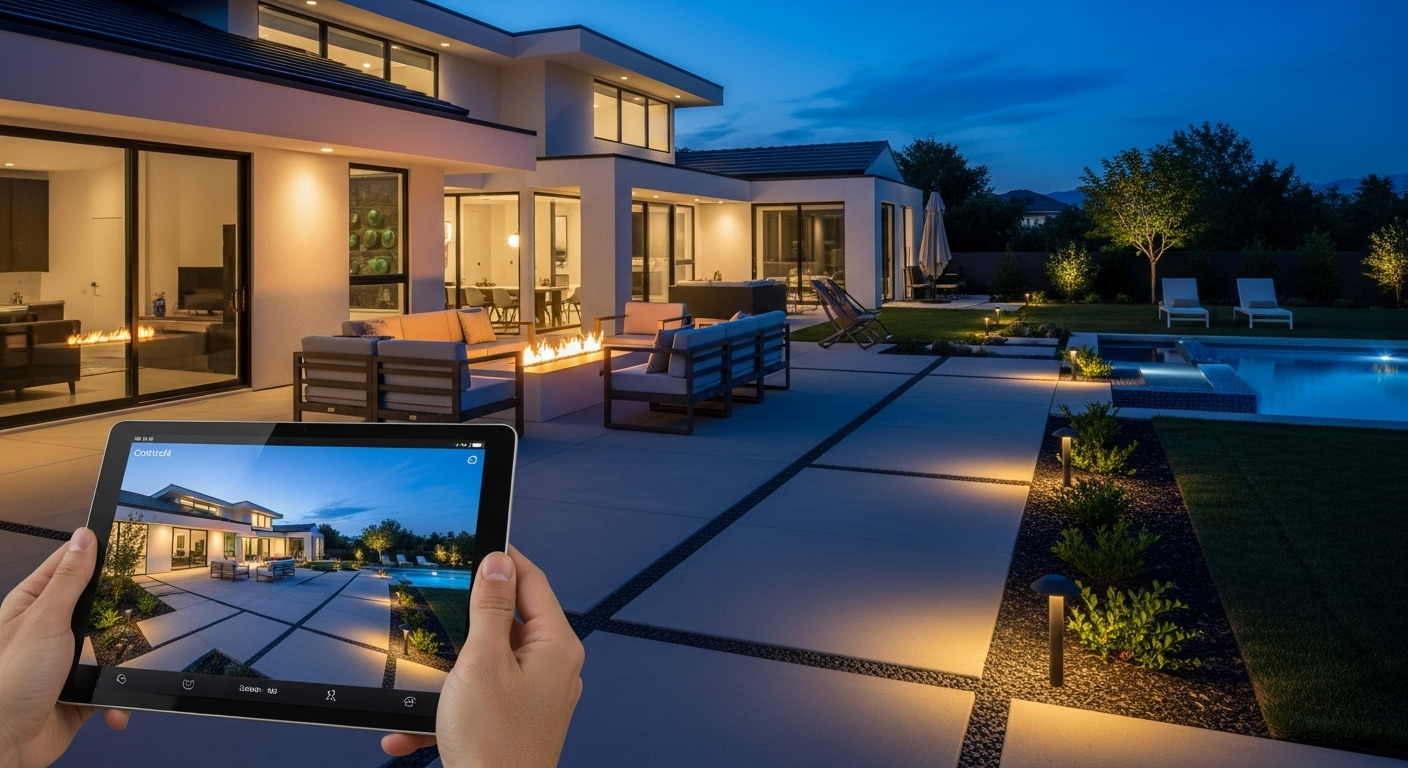
Design-driven smart homes start with a different mindset. Technology should support the architecture, not compete with it. When planned correctly, smart lighting, audio, climate, and control systems blend into the home so naturally that you barely notice them, yet you feel their impact every day. Comfort improves. Spaces respond intuitively. And the home feels calm, refined, and complete.
At Stereo Types, this philosophy guides every project. Instead of adding technology after design decisions are made, our team works alongside architects, designers, and builders from the very beginning. The result is technology that fits the architecture, visually, structurally, and functionally, without compromise.
This design-first approach allows homeowners to enjoy powerful smart home performance while preserving the integrity of their space. Technology becomes part of the architecture itself, not an afterthought.
Key takeaway: The best smart homes are the ones you don’t see, they’re the ones you feel.
Quick to Know
Design-driven smart homes focus on harmony between technology and architecture. Instead of visible gadgets and scattered controls, systems are planned to blend into the space from the very beginning.
With a design-first approach, lighting, audio, climate, and automation are aligned with the home’s layout, materials, and lifestyle needs. This prevents visual clutter and protects the original architectural vision.
Stereo Types approaches smart home design by collaborating early with architects and designers, ensuring technology feels intentional, balanced, and future-ready.
The result is a home that looks clean, functions effortlessly, and feels natural to live in, without sacrificing performance or flexibility.
Key takeaway: Smart home technology works best when it’s designed as part of the architecture, not added afterward.
Technology blends seamlessly into architectural design
Clean interiors with no visual clutter or exposed devices
Intuitive control that feels natural to use
Long-term flexibility without disrupting finished spaces
A refined living experience that enhances comfort and value
Key takeaway: Design-driven integration delivers powerful smart home performance without compromising the look and feel of the home.
Q/A
Can smart home technology really stay invisible?
Yes, when it’s planned early and designed intentionally. Invisible technology doesn’t mean limited capability; it means thoughtful placement and integration. Speakers can be concealed within architectural elements, lighting control can be streamlined into elegant interfaces, and equipment can be centralized out of sight.
By considering technology during the design and construction phase, systems are built into the home rather than placed on top of it. This approach preserves clean lines, protects the design vision, and still delivers reliable, high-performance automation throughout the space.
Key takeaway: Smart home technology stays invisible when it’s designed as part of the structure, not added after the home is finished.
Design-First Smart Home Planning
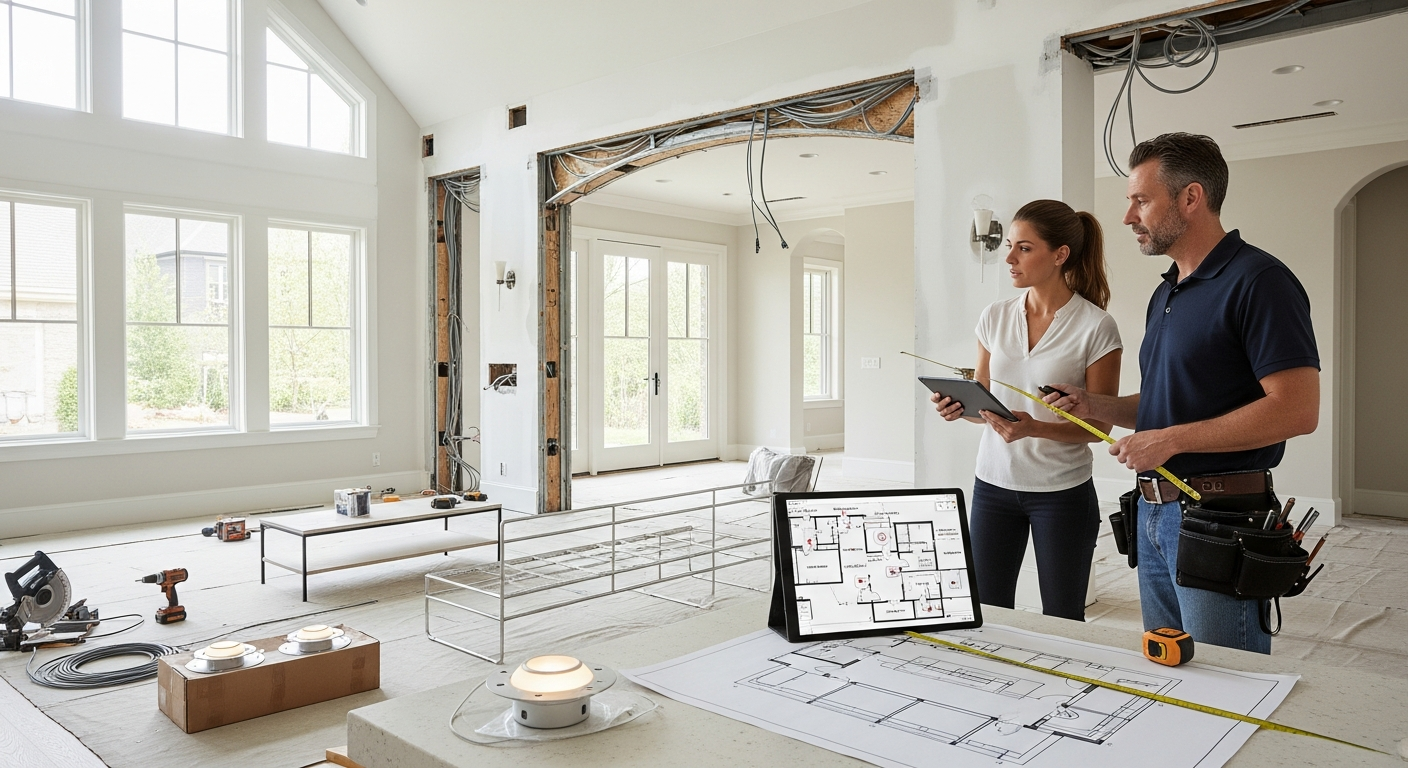
Design-driven smart homes begin long before devices are installed. The most successful projects start at the planning stage, when architects, designers, and technology specialists work together around the same table. This early collaboration ensures technology supports the architectural vision instead of forcing compromises later.
When technology is considered early, wiring paths, equipment locations, lighting layers, and control points are planned with intention. Walls do not need to be opened later. Ceilings remain clean. Materials and finishes stay untouched. Every system fits naturally within the structure of the home.
This approach also allows technology to follow how people actually live in the space. Lighting scenes are designed around natural movement. Audio is positioned for balance, not visibility. Controls are placed where they feel intuitive, not where there happened to be room after construction.
Most importantly, early planning protects the design itself. Instead of reacting to limitations, the home is built with technology in mind from day one. The result is a space where form and function feel unified, calm, and purposeful.
Key takeaway: The best smart homes are designed early, when architecture and technology are planned together, nothing feels forced later.
Technology is planned alongside architecture, not added late
Clean lines and finishes stay intact during and after construction
Systems are placed for performance, not visibility
Homes feel intentional, balanced, and easier to live in
Fewer compromises, fewer future disruptions
Key takeaway: Early, design-first planning is what allows smart home technology to feel natural, invisible, and fully integrated.
Technology That Disappears Into the Design
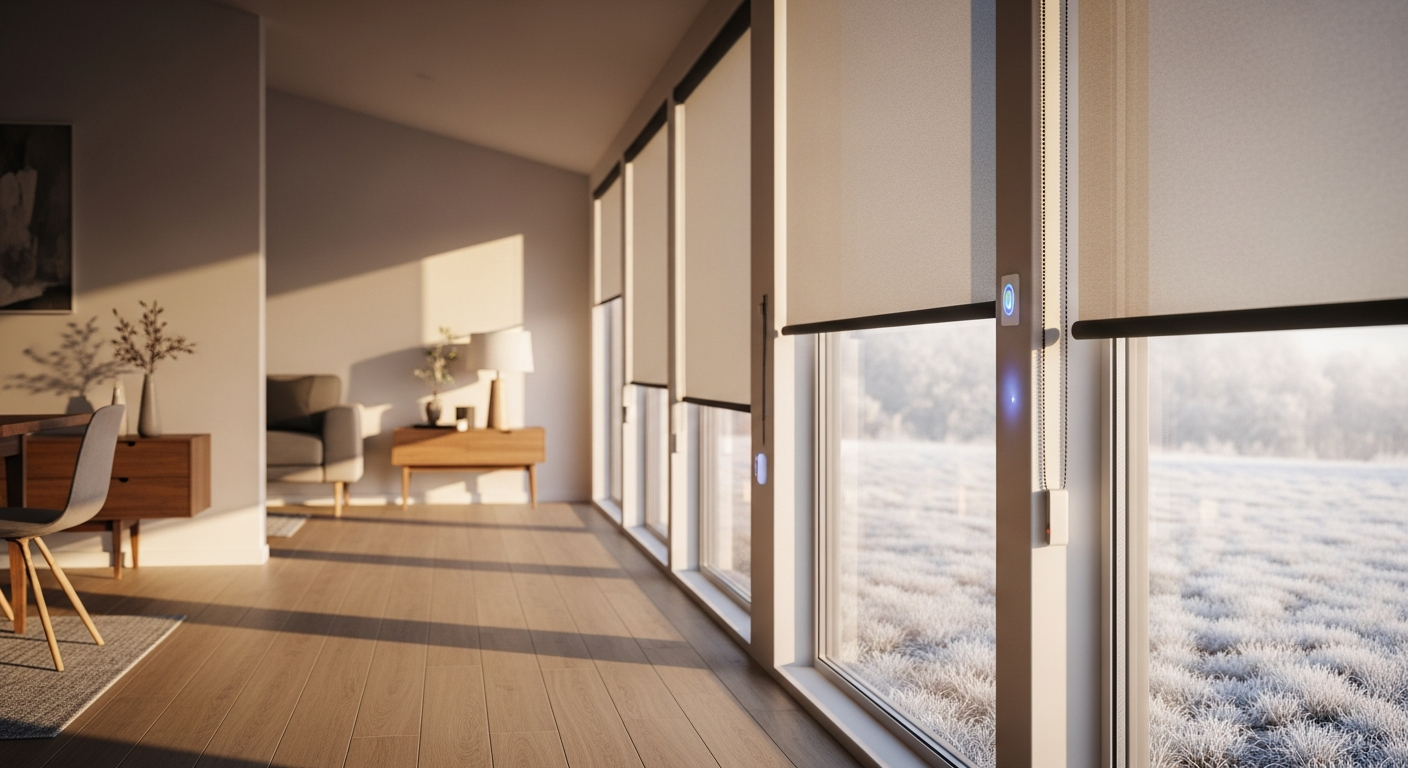
In real homes, design-driven integration shows up in the details. Technology feels present, but never overwhelming. Speakers disappear into ceilings or millwork. Lighting controls are simplified and consistent throughout the home. Equipment is centralized and hidden, keeping living spaces clean and uninterrupted.
Every decision is intentional. Audio is placed for balanced sound, not visual impact. Lighting layers are designed to highlight architecture, textures, and artwork. Control interfaces are selected to match the home’s style and the homeowner’s habits. Nothing feels random or added at the last minute.
This approach also improves daily living. Homeowners don’t need to think about which switch controls what or which remote does the job. Spaces respond naturally, lights adjust with the time of day, climate stays comfortable, and entertainment is always ready without visible clutter.
Because everything is planned as a complete system, the home feels cohesive from room to room. Technology supports the experience of the space instead of drawing attention to itself. The result is a home that looks refined, works effortlessly, and continues to feel relevant long after move-in day.
Key takeaway: When technology is integrated with intention, it enhances everyday living without ever distracting from the home’s design.
Q/A
Does hidden technology limit performance or flexibility?
Not at all. In fact, design-driven systems often perform better because they are engineered with proper placement, airflow, and infrastructure in mind. Concealed speakers are positioned for balanced sound, not convenience. Centralized equipment is easier to maintain and upgrade over time.
Flexibility is also preserved through thoughtful system design. Future updates can be handled without opening walls or disrupting finished spaces. The technology remains adaptable, while the architecture stays protected.
Key takeaway: Hidden technology doesn’t reduce performance, it improves reliability and keeps the home future-ready.
Smart Home Engineering Behind the Scenes
Behind every design-driven smart home is a carefully engineered foundation. While the visible technology stays minimal, the infrastructure behind the scenes is thoughtfully planned to support performance, reliability, and future growth.
Structured wiring, dedicated equipment spaces, and clean cable management allow systems to operate efficiently without interfering with the home’s design. Network performance is planned room by room. Power and ventilation are accounted for from the start. This prevents overheating, signal issues, and future limitations.
Engineering with architecture in mind also means planning for change. As technology evolves, the home should be ready to adapt without major renovations. By building in flexibility early, upgrades can happen smoothly while walls, ceilings, and finishes remain untouched.
This technical discipline ensures that automation feels effortless for the homeowner. Systems respond quickly, stay stable, and remain easy to service over time. The architecture stays clean, while the technology quietly does its job in the background.
Key takeaway: Strong infrastructure is what allows smart home technology to stay invisible, reliable, and future-ready.
Infrastructure is planned to support long-term performance
Equipment stays hidden, organized, and serviceable
Networks, power, and ventilation are designed intentionally
Systems are ready for future upgrades without disruption
Architecture remains untouched as technology evolves
Key takeaway: Smart home reliability comes from strong engineering, when the foundation is right, everything else stays effortless and invisible.
The Future of Architecture-Led Automation
The future of smart homes is becoming quieter, simpler, and more intuitive. As technology advances, the focus is shifting away from visible devices and toward experiences that adapt naturally to daily life. Interfaces are becoming more minimal. Automation is becoming more predictive. Homes are learning how residents live and responding without constant input.
Design-driven systems support this evolution by reducing visual noise and simplifying interaction. Fewer controls, clearer layouts, and smarter automation allow homeowners to focus on living in the space, not managing it. Technology fades into the background while comfort, efficiency, and ease come forward.
This shift also reinforces the value of thoughtful planning. As systems become more intelligent, the quality of the original design and infrastructure matters even more. Homes that were planned with intention are better positioned to adopt new capabilities without disruption or redesign.
Ultimately, the goal remains the same: technology that serves the home, not the other way around. When design and engineering work together, the result is a living environment that feels calm, refined, and future-ready.
Key takeaway: The future of smart homes belongs to design-driven systems that adapt quietly, intelligently, and effortlessly to the people who live in them.
Q/A
Is design-driven smart home automation only for luxury homes?
While this approach is common in high-end residences, the philosophy applies to any home where quality and longevity matter. Design-driven planning simply means making thoughtful decisions early, avoiding shortcuts, and respecting the structure of the space.
Even on smaller projects, intentional design leads to cleaner results, better usability, and fewer compromises over time. It’s not about excess, it’s about doing things right from the start.
Key takeaway: Design-driven smart homes are about smart planning, not just luxury.
Design-driven smart homes begin with intention, not equipment lists
Technology is planned alongside architecture to protect visual integrity
Early collaboration prevents clutter, rework, and future disruption
Hidden systems deliver full performance without visual noise
Strong infrastructure supports reliability, upgrades, and longevit
Clean design improves daily usability and comfort
Automation should adapt to lifestyle, not demand attention
Thoughtful integration increases long-term home value
Engineering and aesthetics work best as one system
Technology feels natural when it becomes part of the structure
Key takeaway: When smart home technology is guided by design, the result is a home that feels cohesive, calm, and built to last.
A truly smart home should enhance the architecture, not distract from it. When technology is planned with intention, it becomes a natural extension of the space, quiet, reliable, and effortless to live with.
Stereo Types specializes in design-driven smart home integration, working alongside architects, designers, and homeowners to create systems that fit the home from the inside out. From early planning to long-term support, every detail is handled with care and precision.
If you’re designing a new home or refining an existing one, now is the right time to think about how technology can support your vision, without compromise.
Start the conversation with Stereo Types and design a home where technology truly belongs.