The Ultimate Guide to Mid-Atlantic Home Theatre Design and Installation
Why the Mid-Atlantic Region Demands a Different Approach to Home Theatre
Designing a home theatre in Virginia, Maryland, or Pennsylvania isn't the same as building one anywhere else. The Mid-Atlantic is home to some of the country's most architecturally distinctive residences - Federal-style estates in Northern Virginia, historic stone farmhouses in the Pennsylvania countryside, and waterfront properties along the Chesapeake — and every one of them presents a unique set of design and acoustic challenges.
At Stereo Types, we've worked in these spaces for years. We understand how original hardwood floors, plaster walls, low-beamed ceilings, and sprawling open floor plans interact with sound. We also understand the expectations of the luxury homeowners who live in them. What follows is our complete guide to getting home theatre design right in this region — from room selection to final calibration.
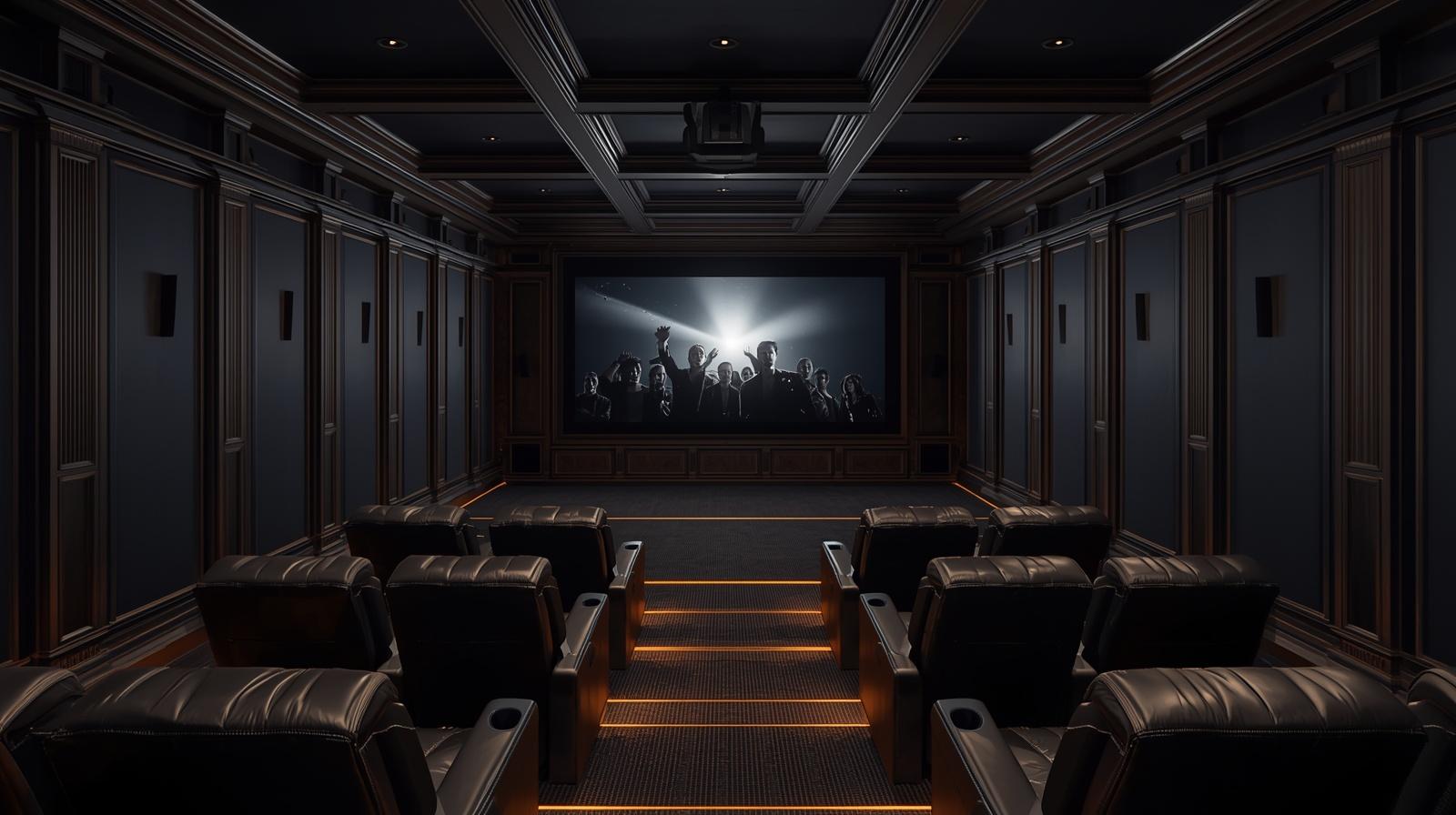
Choosing the Right Space: It's More Than Square Footage
The most common mistake we see is homeowners choosing a theatre room based purely on size. Square footage matters, but it's not the whole story. Room geometry, construction materials, and how the space connects to the rest of the home are equally important factors.
For dedicated home theatres, we typically look for:
Rectangular rooms with a length-to-width ratio between 1.4:1 and 1.6:1
Spaces with limited exterior windows, or windows that can be fully blacked out
Rooms positioned away from high-traffic areas of the home to minimise noise intrusion
Sufficient ceiling height — a minimum of nine feet for optimal speaker placement, with ten or more preferred for Dolby Atmos ceiling channel installation
In older Mid-Atlantic homes, basements are often the most acoustically isolatable option, but they come with their own considerations: moisture control, HVAC noise, and limited ceiling height in some cases. We evaluate each space individually before making a recommendation.
Acoustic Design: The Foundation of Every Great Theater
No projector and no speaker system — regardless of how expensive — can overcome a poorly treated room. Acoustic design is the unglamorous backbone of home theatre performance, and it's where we invest significant attention before a single piece of equipment is ordered.
For Mid-Atlantic homes specifically, we account for:
Hard surface reflections common in historic and traditional architecture (hardwood floors, plaster ceilings, stone or brick walls)
HVAC noise that becomes noticeable at low listening levels during quiet film passages
Flanking paths between adjacent rooms that allow sound to travel through walls and floors
Our acoustic solutions range from strategic placement of absorption and diffusion panels to full room-within-a-room construction for clients who want true cinema-grade isolation. We work with your interior designer or architect to ensure acoustic treatments are integrated into the room's aesthetic rather than applied as an afterthought.
Display Technology: Projection vs. Flat Panel
This is one of the most common questions we get, and the honest answer is that it depends entirely on the room and the client's viewing habits.
For dedicated, light-controlled rooms where the theater is the primary purpose of the space, projection almost always wins. A properly calibrated 4K laser projector from Sony or Digital Projection — paired with an acoustically transparent screen — delivers an immersive, true-cinema experience that no flat panel can replicate at that scale.
For multi-purpose rooms, media rooms that double as living spaces, or installations where light control is limited, a large-format display — Samsung, Sony — often makes more sense. Today's premium panels deliver extraordinary picture quality, and they eliminate the ambient light sensitivity that projection systems require.
We're vendor-agnostic in our recommendations. Our job is to match the technology to the room and the client, not to move inventory.
Sound Systems: Designing for Dolby Atmos in Real Homes
Dolby Atmos has genuinely transformed what's possible in residential home theater. The object-based audio format, which places sound in three-dimensional space rather than fixed channels, creates a level of immersion that surround sound simply cannot match.
But implementing Atmos properly in a real Mid-Atlantic home — not a purpose-built demo room — requires careful planning. The overhead channel configuration, whether ceiling-mounted speakers or upward-firing modules, must account for ceiling height, material, and joist direction. Speaker placement tolerances are tighter than they are in traditional 5.1 or 7.1 layouts.
Our theatre systems are built around leading brands, including Bowers & Wilkins, Sonance, and McIntosh, matched with Storm Audio processing. We handle full acoustic modelling prior to speaker placement to ensure the system performs as designed, not just as theorised on a spec sheet.
Seating, Lighting, and the Experience Layer
The best-sounding, best-looking theatre in the world becomes ordinary fast if the seating is uncomfortable or the lighting interrupts the experience. We treat these elements as part of the system, not as furniture decisions to be made separately.
For seating, we work with premium cinema seating brands that offer motorised recline, USB charging, and custom upholstery options that complement the room's design direction.
For lighting, Lutron remains our control standard. A properly programmed Lutron system gives you one-touch scene control — house lights, aisle lighting, and bias lighting behind the screen all responding to a single button press or an automation trigger from your Control4 or Crestron system. When the movie starts, the room transforms. When it pauses, the lights come up. None of this requires any manual adjustment.
Integration: The Theatre as Part of Your Home, Not Apart From It
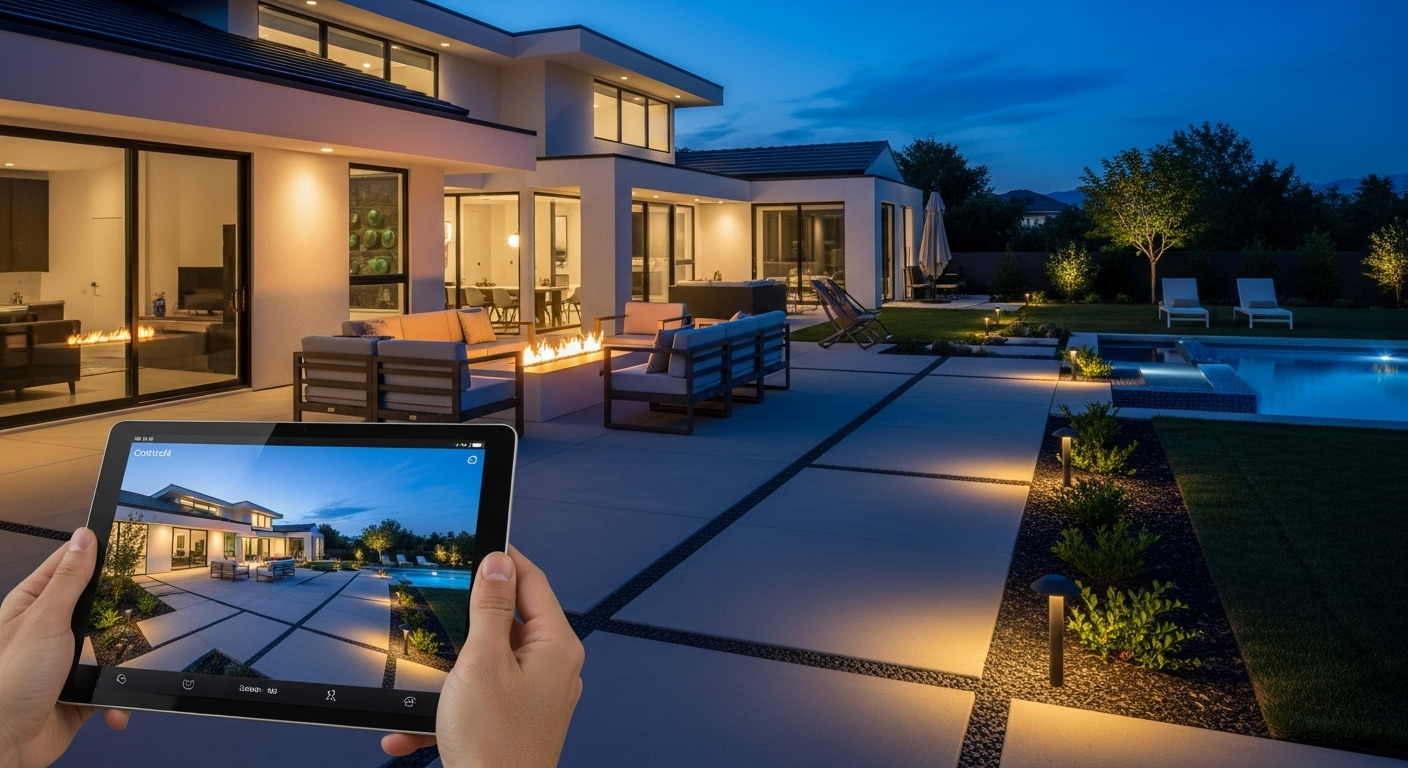
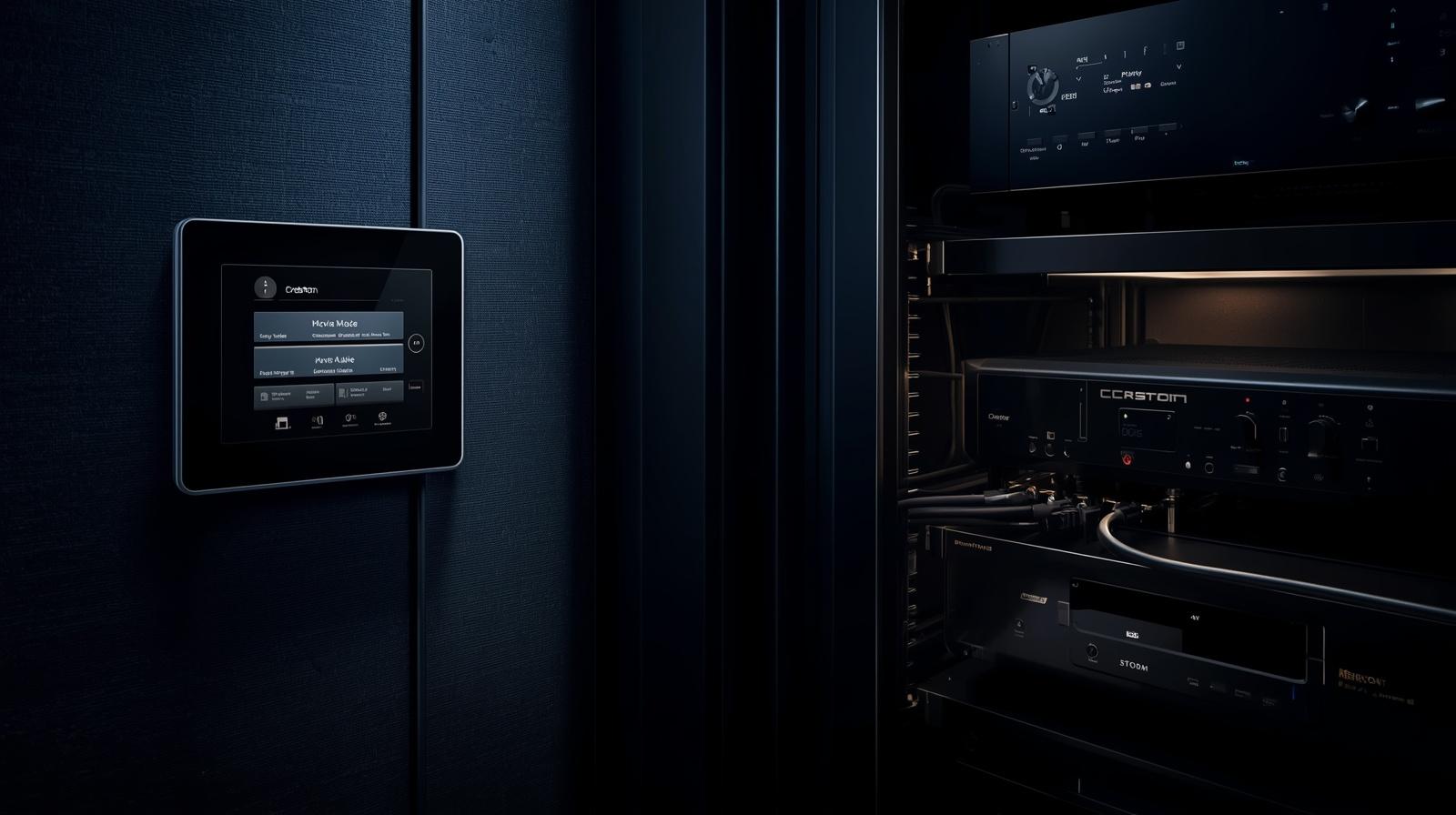
The theatres we design at Stereo Types don't exist in isolation. They're fully integrated into the whole-home automation ecosystem - whether that's Control4, Crestron, or Savant - so they behave the way every other room in your home does.
That means:
Single-app or keypad control of the entire experience
Integration with your home's HVAC so the room is pre-conditioned before you arrive
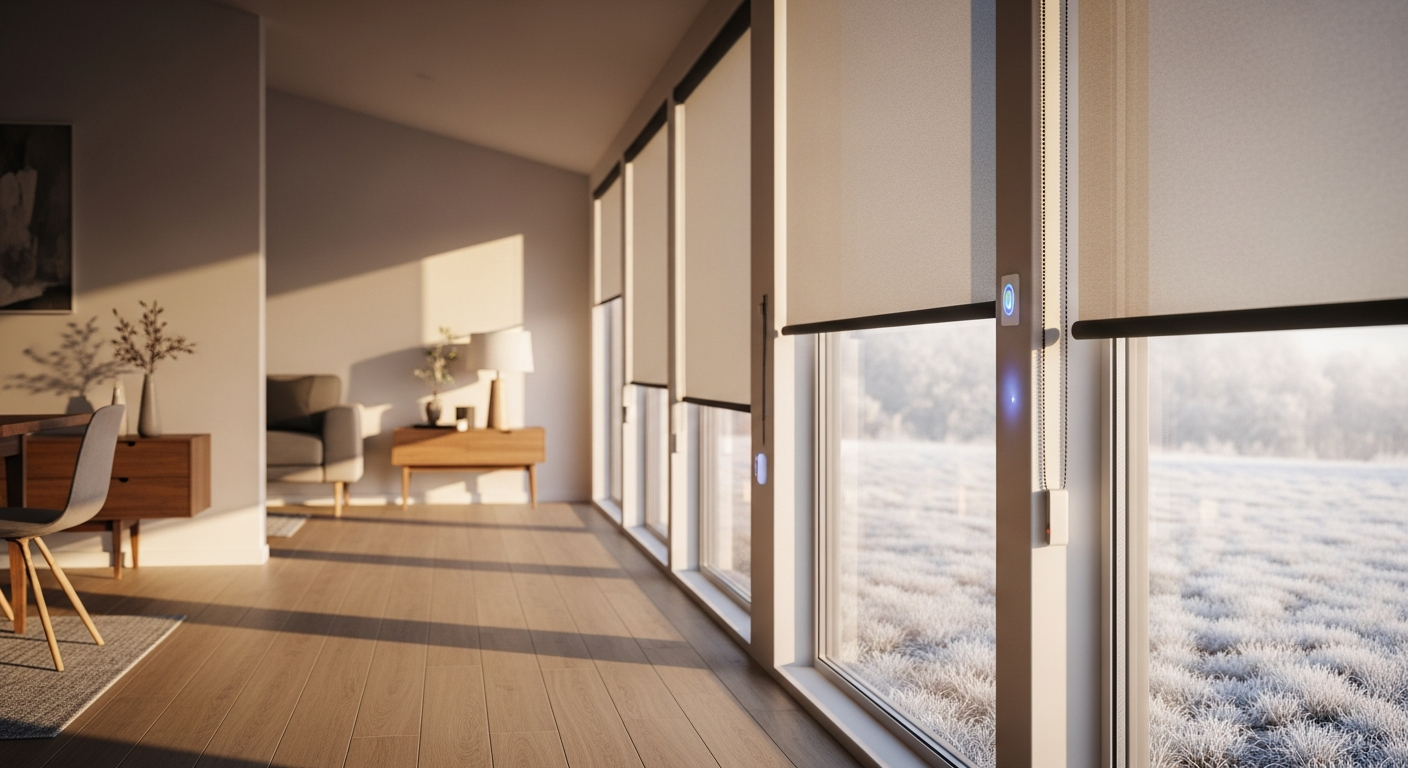
"Movie mode" scenes that close shades, dim adjacent hallway lights, and silence other audio zones
Remote diagnostics and monitoring so our team can identify and address system issues before you notice them
For clients with multiple residences across the Mid-Atlantic and beyond, we manage systems across all properties under a single service relationship.
What the Design and Installation Process Looks Like
We believe clients should understand what they're committing to before the first site visit, so here's how our process typically unfolds:
Consultation: We learn about the space, your goals, your habits, and your budget. We discuss what you love about the cinema experience and what would make your home version better.
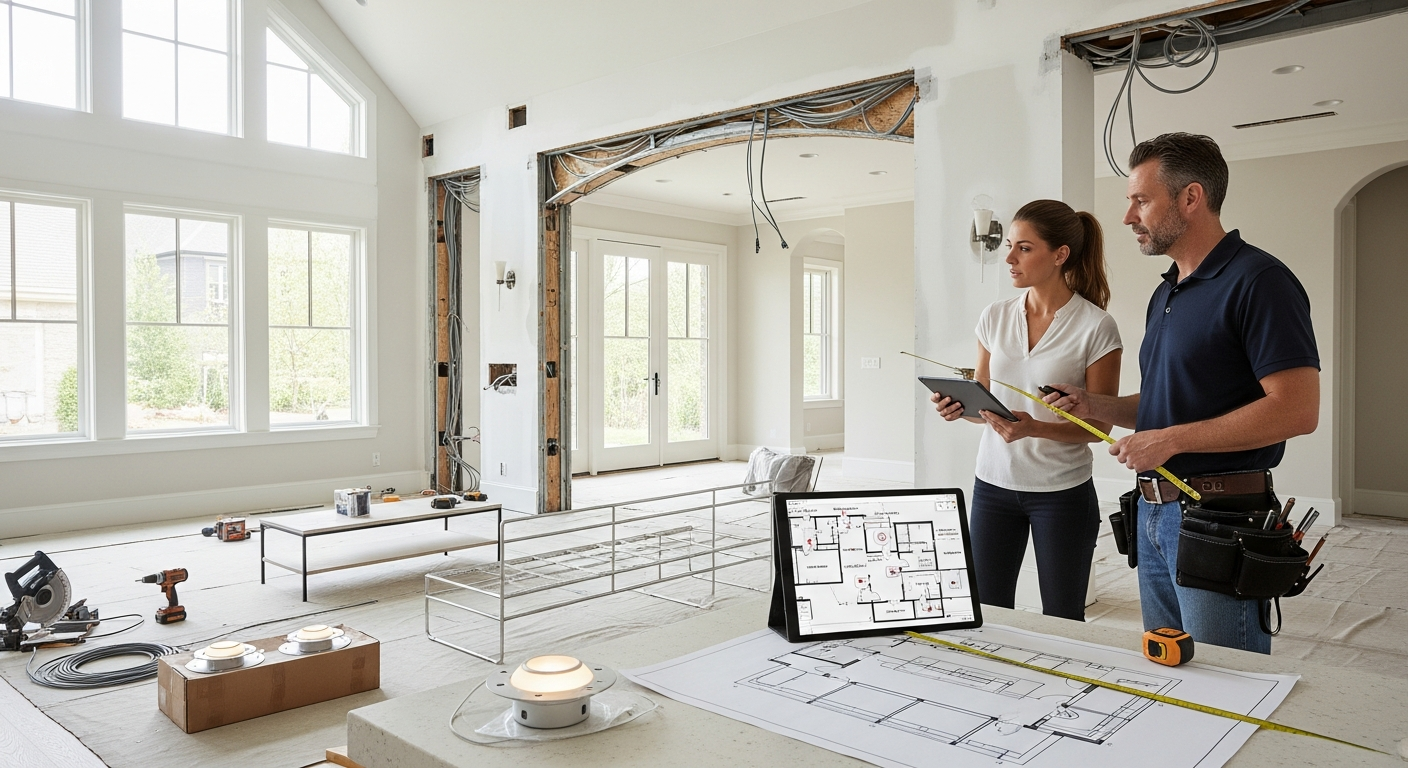
Site Assessment: We visit the space, take measurements, evaluate acoustics and construction, assess lighting conditions, and review integration requirements with your existing or planned home automation system.
Design and Engineering: We develop a complete system design — acoustic layout, equipment specifications, wire routing, rack design, and integration architecture — before any equipment is ordered.
Installation: Our installation team handles every element of the build. We don't use subcontractors for the technology work.
Calibration: Every display is professionally calibrated. Every speaker system goes through acoustic measurement and equalization. We don't call a system complete until it performs to specification.
Training and Support: We walk you through the system and remain available for ongoing support, including 24/7 remote assistance for clients on a service plan.
The Stereo Types Standard
There's no shortage of AV dealers who can hang a television and connect a soundbar. What we do is different. We design environments - rooms that perform consistently, look intentional, and integrate seamlessly with the way you actually live.
If you're planning a home theater in Virginia, Maryland, Pennsylvania, or anywhere in the Mid-Atlantic region, we'd welcome the conversation. Contact us to schedule a consultation with our team.