Creating Warm Winter Evenings With Smart Lighting
Winter changes the way a home feels. Days get shorter, evenings arrive earlier, and suddenly light becomes more than just a practical need, it becomes emotional. The right lighting can make a cold winter night feel calm, warm, and welcoming. The wrong lighting can make the same space feel flat, harsh, and uncomfortable.
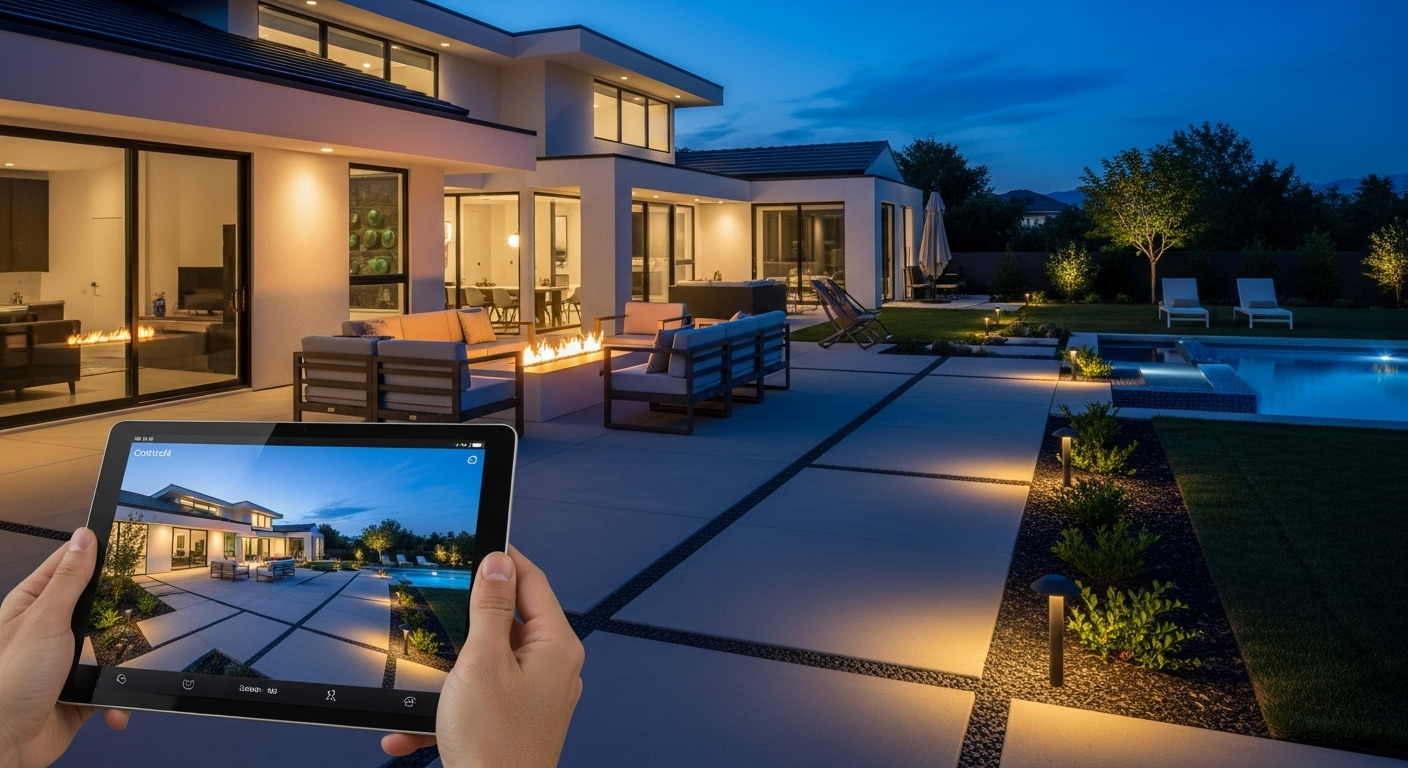
This is where smart lighting makes a real difference. By using warm color temperatures, soft dimming, and gentle lighting scenes, smart systems help your home feel cozy without effort. Living rooms become perfect for quiet evenings, kitchens feel softer after sunset, and bedrooms turn into calm, restful spaces that support better sleep.
Instead of turning lights on and off manually, smart lighting works with your daily rhythm. Lights adjust automatically as daylight fades, creating a smooth transition from day to night. With thoughtful design, like layered lighting and warm tones, your home feels warmer even when temperatures drop outside.
Professionally designed smart lighting, like the solutions featured by Stereo Types, goes beyond simple bulbs. It focuses on comfort, balance, and atmosphere, exactly what winter living needs most.
Key takeaway: Smart lighting turns winter evenings into calm, warm moments that make home feel truly comfortable.
Quick to Know
Winter light is not just about brightness, it is about warmth and balance. When daylight disappears early, homes need softer tones to feel comfortable. Smart lighting uses warm color temperatures, smooth dimming, and gentle transitions to reduce harsh contrasts and eye strain.
Instead of one bright ceiling light, smart systems layer light across lamps, wall fixtures, and indirect sources. Automation helps lights turn on at sunset and slowly dim in the evening, supporting relaxation. This creates a space that feels calmer, warmer, and more inviting during long winter nights.
Smart lighting does not change your routine, it quietly improves how your home feels every evening.
Key takeaway: Smart lighting helps your home feel warmer and more relaxing when winter days get shorter.
Creates a warm and inviting atmosphere during long winter evenings
Reduces harsh glare with soft dimming and layered lighting
Supports relaxation after dark with warm color temperatures
Adjusts automatically as daylight fades in winter
Makes living spaces feel cozier without changing décor
Key takeaway: Smart lighting improves winter comfort by making every room feel softer, warmer, and more welcoming.
Q/A
Q: Why does my home feel colder in winter even when the temperature is comfortable?
A: Light strongly affects how we feel warmth. In winter, short days and cool daylight make spaces feel less inviting. Bright white or cool-toned lighting can increase this feeling. Smart lighting uses warm tones, gentle dimming, and balanced light placement to create a sense of comfort. When light feels softer and warmer, the whole room feels more relaxing, even if the thermostat stays the same.
Key takeaway: Warm, well-balanced lighting helps your home feel comfortable in winter without raising the temperature.
Why Winter Light Affects Mood, Comfort, anzd Relaxation
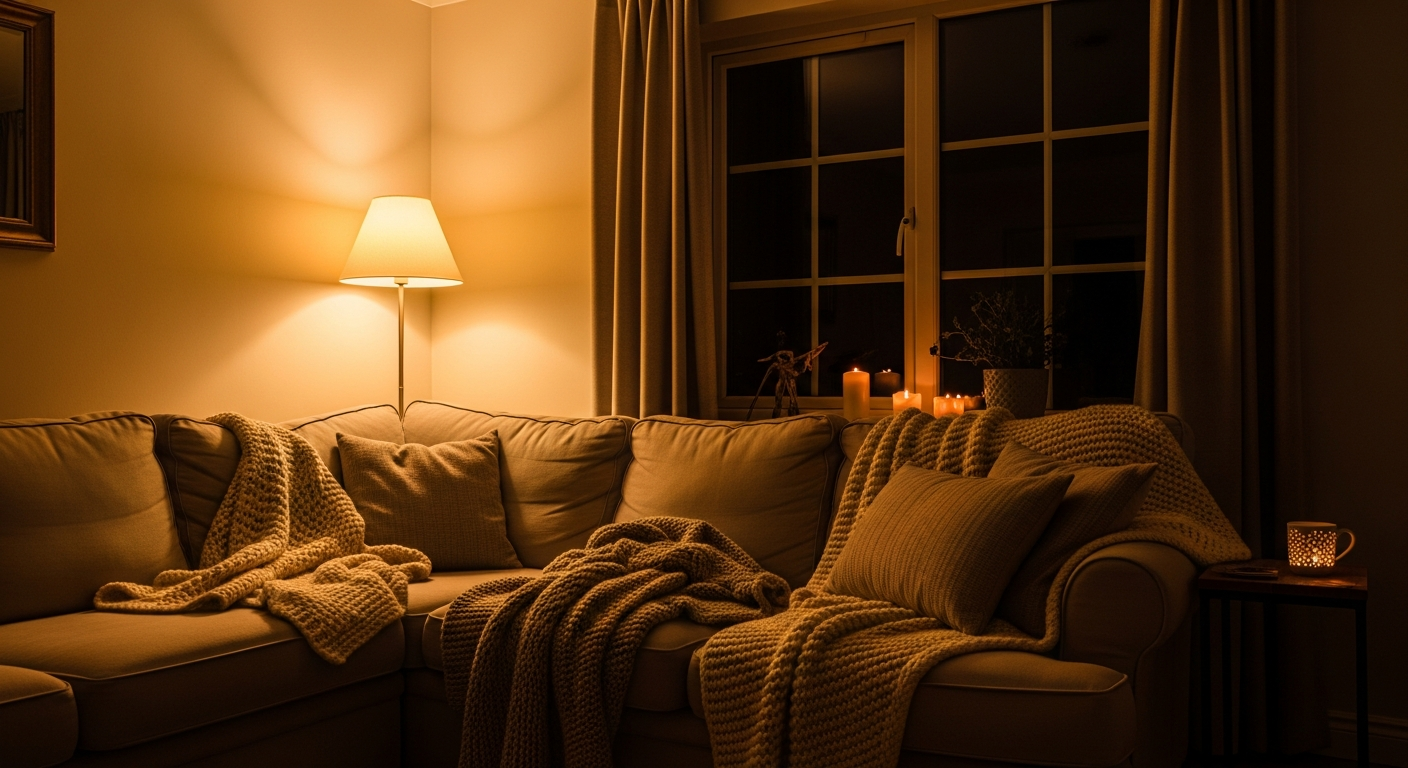
During winter, our bodies react differently to light. Shorter days and limited sunlight can affect mood, energy, and comfort. Harsh or overly bright lighting may increase fatigue, while warm and balanced light helps the brain relax. This is why winter lighting should focus less on brightness and more on feeling.
Warm color temperatures create a sense of softness that feels calming and familiar. They reduce visual stress and help rooms feel more intimate during long evenings indoors. Dimming also plays an important role. Lower light levels signal the body to slow down, making it easier to relax after a full day.
Another key factor is contrast. Strong shadows or one single light source can make rooms feel cold and empty. Layered lighting, combining floor lamps, wall lights, and indirect light, creates depth and balance. This makes spaces feel smaller, warmer, and more personal.
Smart lighting systems allow these elements to work together automatically. Instead of adjusting lights manually, scenes are designed to match how people naturally unwind in winter. The result is a home that supports comfort, calm, and emotional well-being when it is needed most.
Key takeaway: Winter-friendly lighting supports relaxation by working with how the body and mind respond to light.
Warm light tones help reduce winter fatigue
Soft dimming supports relaxation after dark
Layered lighting makes rooms feel smaller and cozier
Balanced contrast improves emotional comfort in winter
Key takeaway: Thoughtful lighting design supports both mood and comfort during long winter evenings.
Creating Cozy Evenings With Smart Lighting Scenes
Winter evenings often follow a slower rhythm. After sunset, people want spaces that feel calm, not overstimulating. Smart lighting scenes are designed exactly for this moment. Instead of adjusting each light separately, a single scene sets the perfect balance across the room.
A “Cozy Evening” scene might lower overall brightness, warm the color temperature, and activate indirect lighting around seating areas. Living rooms feel softer for reading or watching a movie. Kitchens shift from bright task lighting to gentle ambient light once dinner is done. Bedrooms transition into warm, low light that prepares the body for rest.
These scenes are easy to activate using a wall keypad, app, or voice control. More importantly, they stay consistent every night. This predictability adds comfort, especially during dark winter months when routines matter.
Professional smart lighting systems also allow different scenes for different times, early evening, late night, or weekend relaxation. The home adapts without effort, creating a space that always feels right for the moment.
Key takeaway: Smart lighting scenes simplify winter evenings by creating instant comfort with one touch.
Q/A
Q: Does using smart lighting in winter increase energy use?
A: In most cases, no. Smart lighting often reduces energy use because lights dim automatically and turn off when not needed. During winter, schedules and scenes prevent lights from staying too bright for too long. Warm, lower-level lighting also feels more comfortable without needing high brightness. This balance supports both comfort and efficiency throughout the season.
Key takeaway: Smart lighting improves winter comfort while helping manage energy use efficiently.
How Smart Lighting Automation Supports Winter Routines
Winter days end early, and constantly adjusting lights can feel tiring. Smart lighting automation removes this effort by working in the background. Lights can turn on automatically at sunset, adjust gradually as the evening progresses, and dim late at night without any manual input.
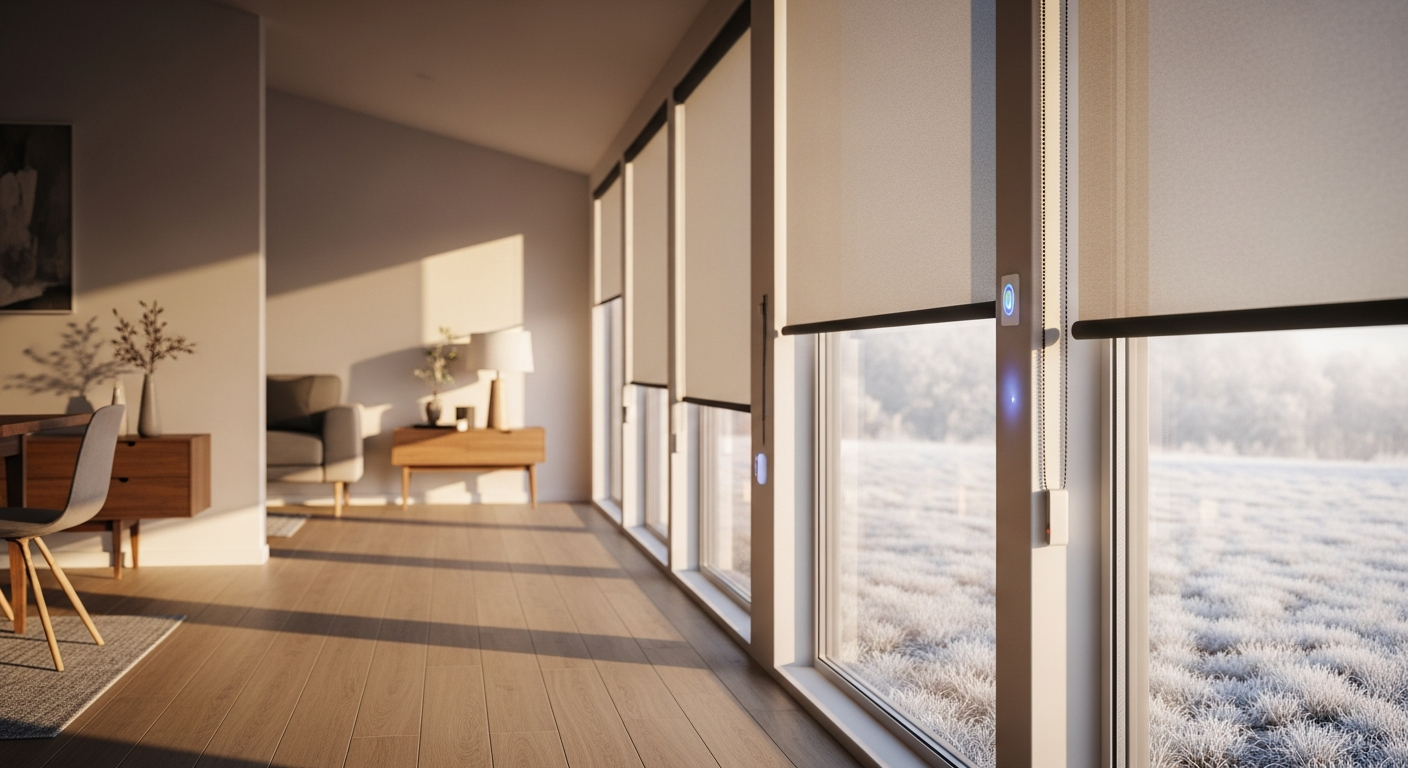
Automation also helps create a natural rhythm indoors. Early evening lighting feels welcoming after work. Later, light levels soften to support relaxation. In the morning, gentle light can turn on slowly, helping you wake up during dark winter mornings.
Smart systems can respond to real conditions, not fixed times. Shorter days mean earlier sunsets, and lighting adapts automatically. This keeps the home feeling balanced and comfortable throughout the season.
With professional lighting design, automation is subtle and reliable. It does not feel technical or intrusive. Instead, it feels like the home understands your routine and supports it, especially when winter makes daily life slower and more indoor-focused.
Key takeaway: Winter-focused lighting automation supports comfort by matching the natural rhythm of the season.
Automation removes the need to adjust lights manually in winter
Sunset-based lighting keeps the home balanced as days shorten
Gradual dimming supports evening relaxation
Morning light automation helps during dark winter starts
Key takeaway: Smart lighting automation makes winter living easier, calmer, and more comfortable every day.
Professional Smart Lighting Design for Lasting Winter Comfort
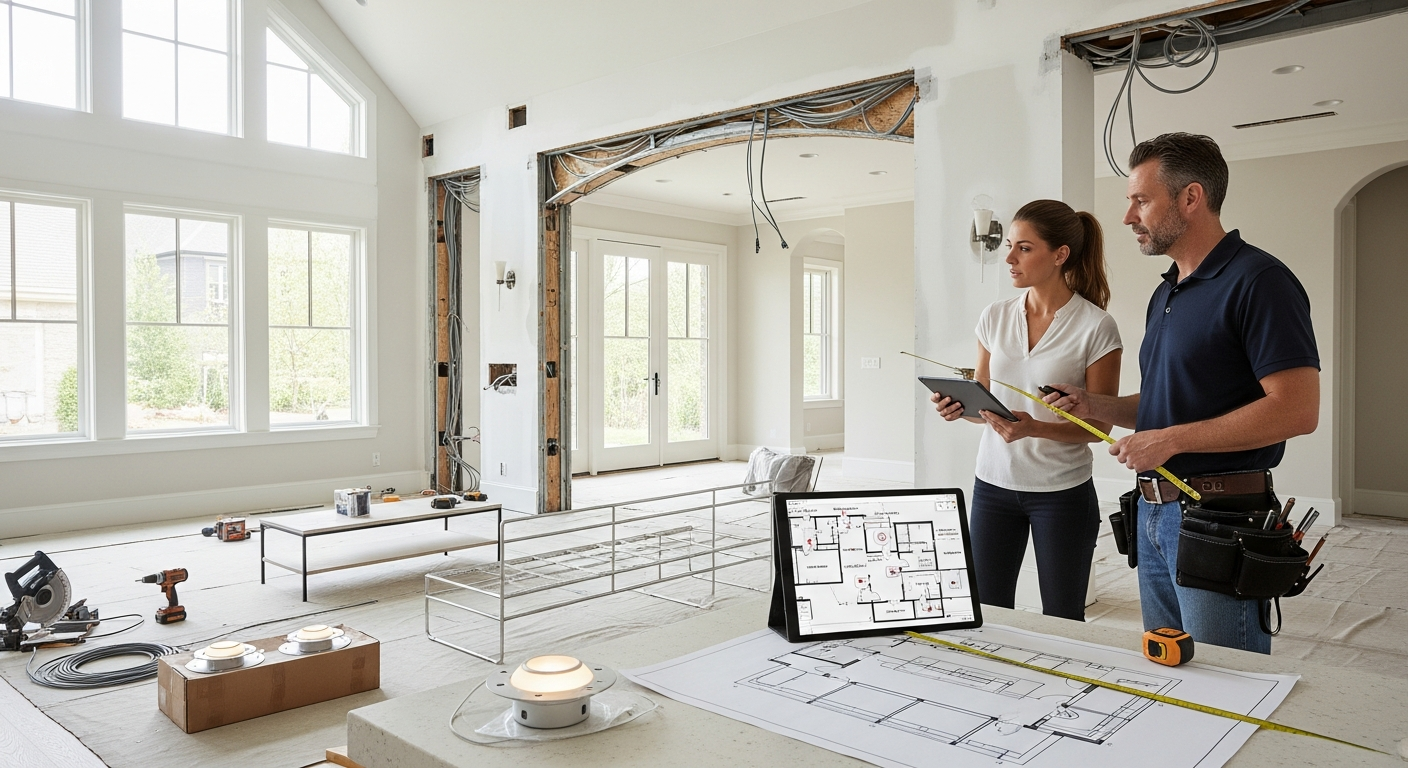
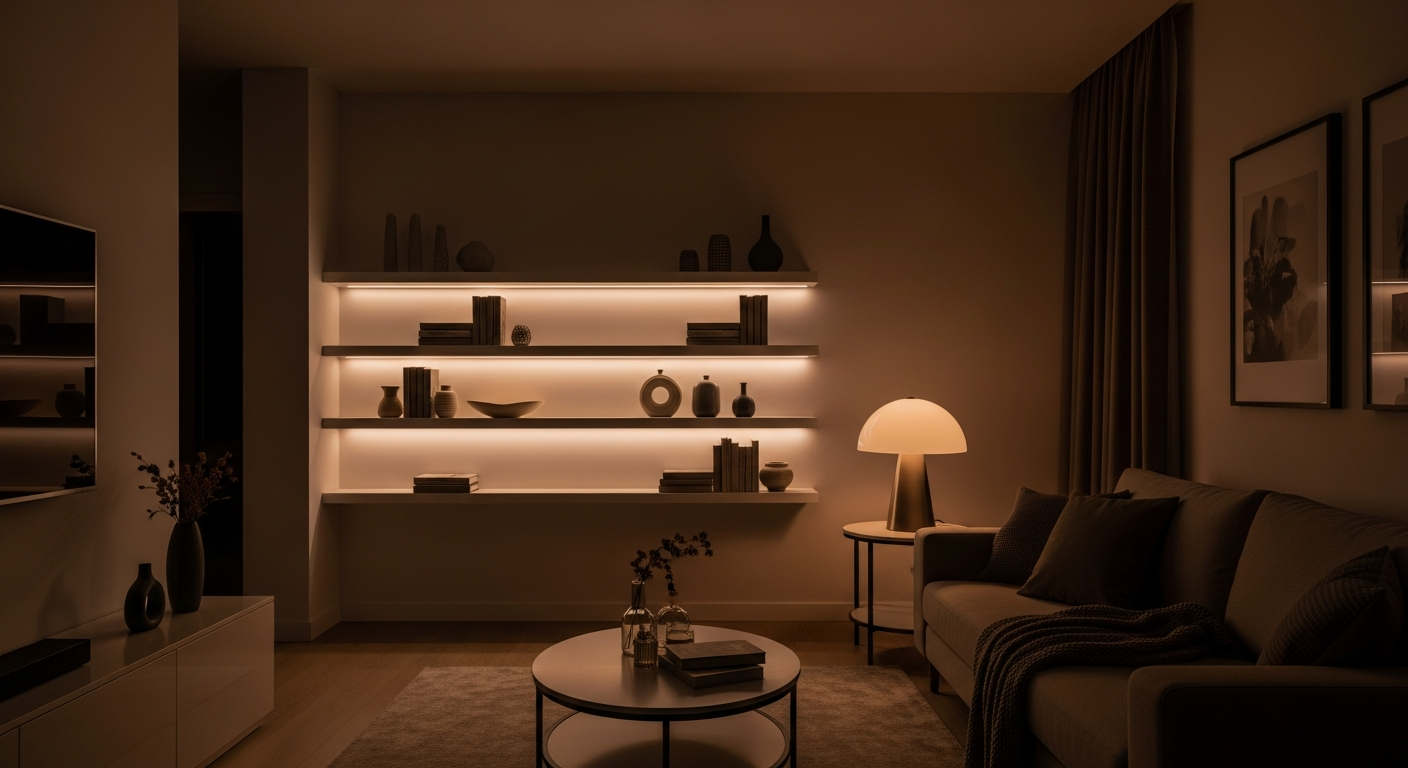
DIY smart bulbs can improve lighting, but winter comfort needs more than just changing color temperature. Professional lighting design focuses on how light moves through a space, where shadows fall, and how different fixtures work together. This level of planning creates consistency that DIY setups often miss.
Professionals design layered lighting that balances ambient, task, and accent light. They consider ceiling height, wall color, furniture placement, and daily routines. In winter, this means fewer harsh contrasts and a smoother transition from day to night.
Automation is also more reliable in professionally designed systems. Scenes activate correctly, lights dim smoothly, and the experience stays the same every evening. This consistency builds comfort, especially during long winter months.
For homeowners who value atmosphere, ease of use, and long-term comfort, professional smart lighting delivers results that feel natural, not technical. It turns winter lighting into a quiet support system rather than a daily adjustment task.
Key takeaway: Professional lighting design creates a deeper level of winter comfort than basic DIY solutions.
Q/A
Q: Is professional smart lighting really worth it just for winter comfort?
A: Yes, because winter highlights lighting problems more than any other season. Professional systems are designed for long evenings, early sunsets, and daily routines indoors. They provide consistent warmth, smooth transitions, and balanced light across the home. The comfort they create lasts beyond winter, but the benefits are felt most when days are short and light matters most.
Key takeaway: Professional smart lighting delivers noticeable comfort exactly when winter makes lighting most important.
Winter lighting is about warmth, balance, and emotional comfort, not brightness
Warm color temperatures help spaces feel calmer and more inviting
Layered lighting reduces harsh shadows and creates a cozy atmosphere
Smart scenes simplify evenings with one-touch comfort
Automation follows sunset and daily routines during short winter days
Dimming supports relaxation and better evening rest
Morning lighting helps during dark winter starts
Professional design ensures consistency across every room
Well-planned lighting makes homes feel warmer without raising heating
Smart lighting improves both comfort and daily living throughout winter
Key takeaway: Smart lighting transforms winter living by turning light into a source of comfort, calm, and routine support.
Winter is the season when lighting matters most. The right design can turn dark evenings into warm, relaxing moments that make your home feel like a retreat. Smart lighting is not just about control, it is about creating comfort that feels natural every day.
If you want your home to feel softer, warmer, and more balanced this winter, professional lighting design makes the difference. Thoughtful planning, smart scenes, and reliable automation create results that basic solutions cannot match.
Explore how Stereo Types designs smart lighting systems that support real winter living, from cozy evenings to gentle mornings.
Contact us today to create a lighting experience that makes your home truly comfortable all season long.