How Layered Light Makes Every Room Look Its Best
Good lighting is easy to experience and surprisingly hard to explain. You walk into a room and everything simply works: colors look accurate, the space feels comfortable, and nothing glares in your eyes. That impression almost never comes from a single bulb in the ceiling, because it is created by layers.
At Stereo Types, we design lighting the same way we design audio. A single speaker can play a song, but a properly tuned system makes the recording come alive. Illumination behaves in exactly the same way. In this guide you will discover what each layer contributes, how to apply it room by room, and how intelligent control connects everything together.
Key takeaway: Layered light is the simplest way to make any room look and feel better.
Quick to Know
Layered lighting means using more than one kind of light in the same room. Ambient light fills the space. Task light helps you see what you are doing. Accent light adds depth and mood. Decorative fixtures add style. Mix all four, add a dimmer, and a plain room starts to look designed.
The Four Layers of Light
Every good lighting plan uses the same building blocks. Once you know them, you will notice them everywhere.
Ambient light — the base layer. Recessed cans, cove lighting, or a flush ceiling fixture.
Task light — focused light where you read, cook, or work. Under-cabinet strips, pendants, and reading lamps.
Accent light — the drama. Picture lights, wall washers, and lighting inside shelves.
Decorative light — the jewelry. A chandelier or a pair of sconces you notice on purpose.
Key takeaway: Four simple layers cover almost every room in the house.
Why One Ceiling Light Is Never Enough
A single overhead fixture pushes illumination straight downward, which flattens faces, creates unflattering shadows, and makes the ceiling feel lower than it really is. It also limits you to one decision: completely on or completely off.
Your Light Should Follow Your Day
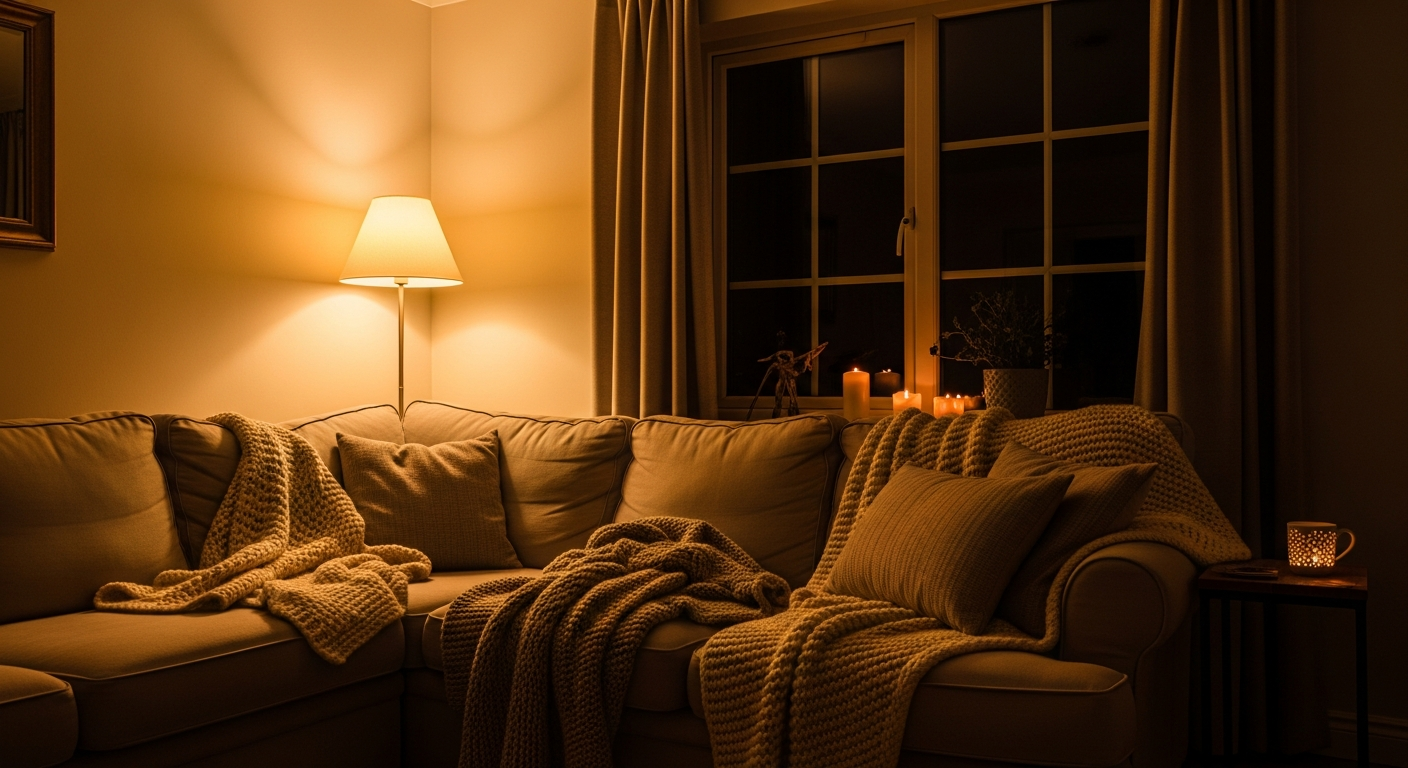
Your day is not flat, so your light should not be flat either. Cool, bright light helps you wake up and focus. Warm, low light helps you slow down at night. Layers give you both in the same room, without changing a single bulb.
A room with one light has one mood. A room with layers has as many moods as you need.
Room by Room Ideas
Living Room
Start with soft ambient light around the edge of the ceiling. Add table lamps beside the sofa for reading. Then wash the artwork or the fireplace wall with a little accent light. The room gains depth right away.
Kitchen
Under-cabinet lighting is the best upgrade in most kitchens. It removes the shadow your body casts on the counter. Pendants over the island handle style and task work at the same time.
Bedroom
Keep the overhead light low and warm. Put the real light where you need it: beside the bed, inside the closet, and near the floor as a soft night path.
Home Theater
Here the goal is control. Cove lighting and step lights help you find your seat. When the movie starts, everything dims together and the picture takes over.
Bathroom
Light the face, not the top of the head. Sconces on both sides of the mirror give even, flattering light. Add a very low night setting so no one is blinded at three in the morning.
Hallways and Stairs
These spaces are often forgotten. Low accent light near the floor makes them safe. It also gives the whole home a calm, finished look at night.
Key takeaway: Every room needs at least two layers, and most rooms need three.
Recap
Ambient light sets the base level in every room.
Task light belongs where you read, cook, or work.
Accent light adds depth, shape, and interest.
Dimming and scenes tie all of the layers together.
Key takeaway: The layers matter more than the number of fixtures.
Scenes You Will Use Every Day
A scene sets many lights at once with one button. These are the scenes our clients use most:
Good Morning — bright, cool light in the kitchen and bath.
Cook — full task light on the counters, softer light elsewhere.
Dinner — pendants down low, accent light on the art.
Movie — everything off except a faint glow in the walkway.
Relax — warm lamps at 30 percent, ceiling lights off.
Good Night — the whole house goes dark with one press.
Away — lights come on and off as if someone were home.
Q/A
Q: Do I have to rewire my whole house?
A: Usually not. Many homes start with smart dimmers and keypads that replace the switches you already have. You keep the wiring and gain full control. Larger homes, or homes under renovation, may use a central lighting panel instead. We look at the house first, then suggest the simplest path.
Key takeaway: You can start small and grow the system later.
The Technology Behind the Layers
Layers only perform well when the fixtures dim smoothly, which is exactly where component quality becomes important. Inexpensive LED drivers frequently flicker, buzz, or drop out completely at low levels, while properly engineered drivers fade down to almost nothing and remain silent.
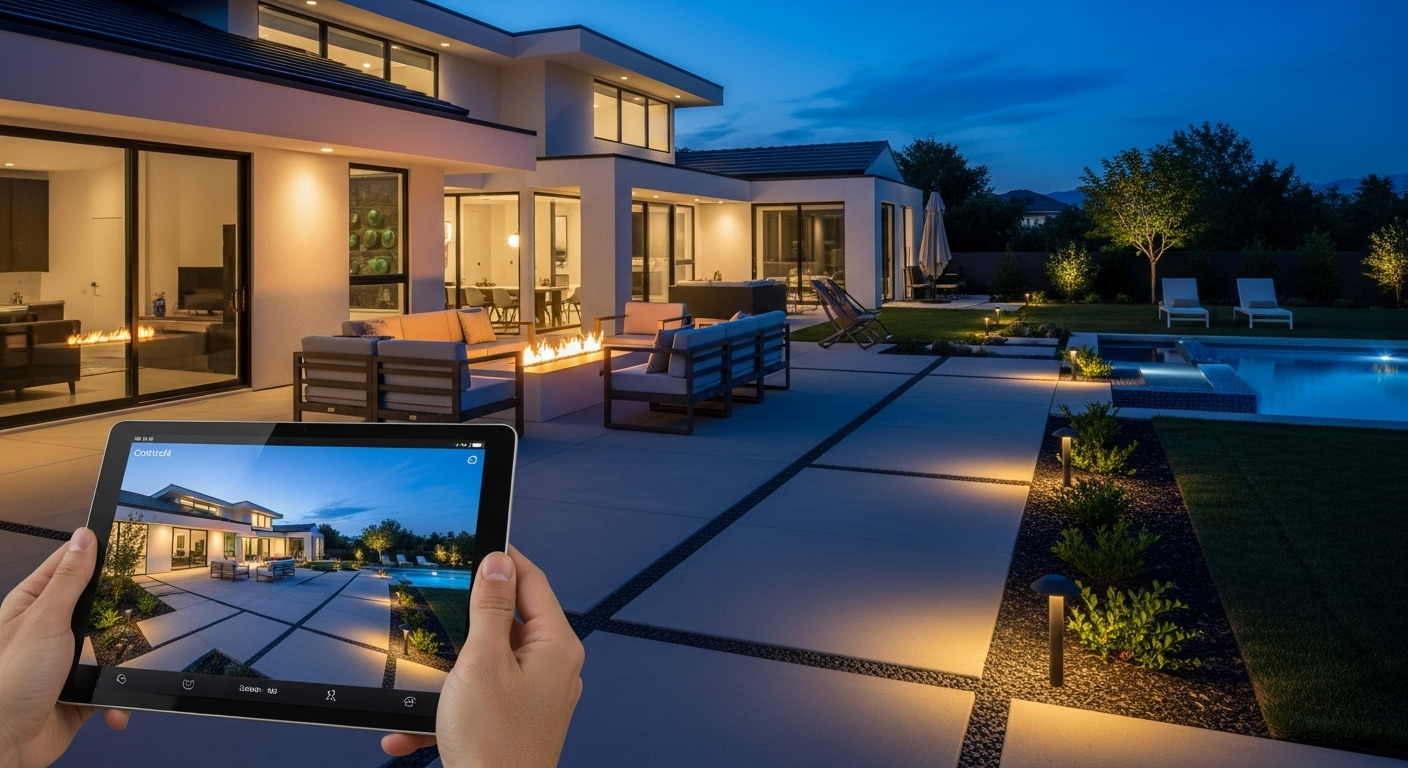
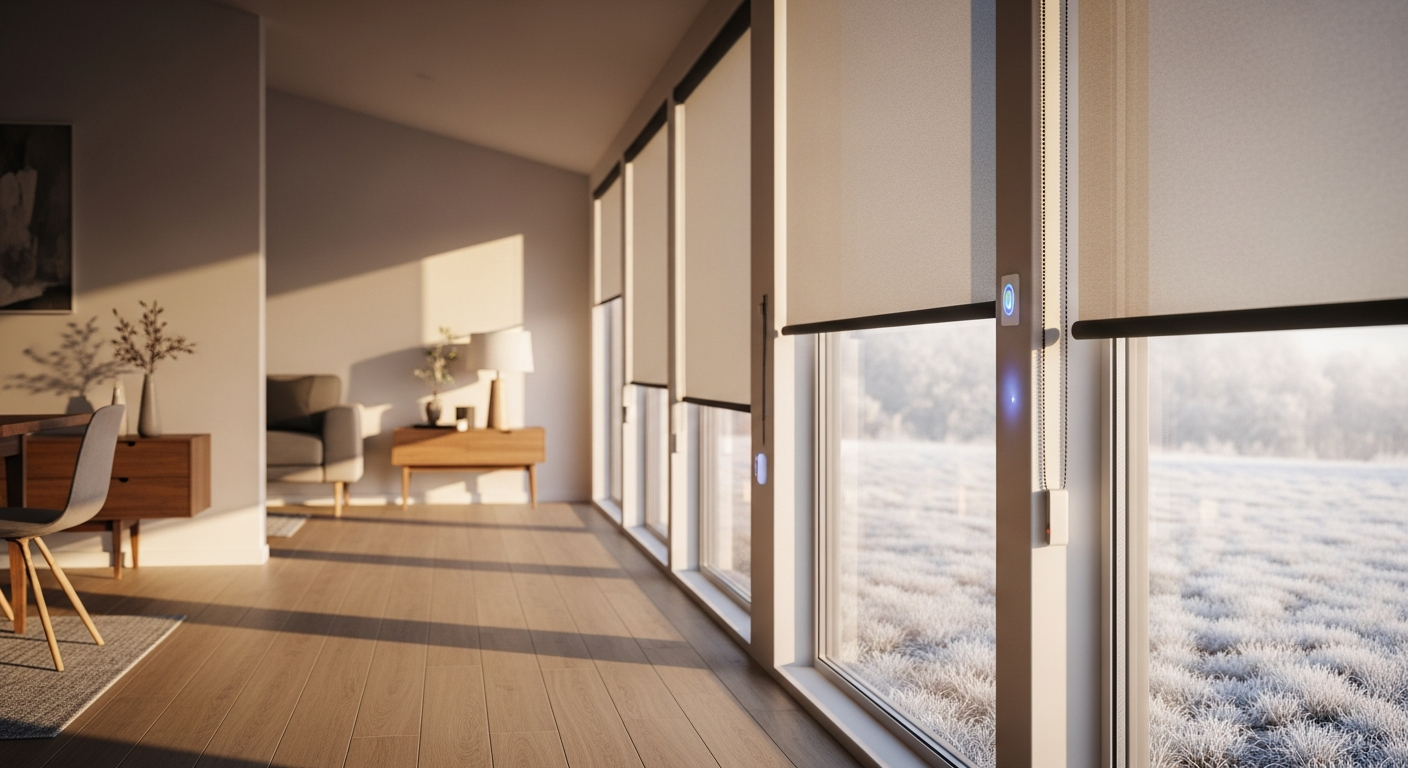
Platforms such as Control4, Lutron, and Crestron link every dimmer, keypad, and shade into one system. You can then use a wall keypad, your phone, or your voice. Sensors and schedules handle the rest, so the lights greet you when you walk in.
Color temperature matters equally. Warm illumination near 2700K feels relaxing and intimate, while neutral illumination near 3500K feels clean and energizing. Tunable fixtures can transition gradually between those two temperatures as the day progresses.
Key Benefits
Rooms look larger, warmer, and better finished.
Faces, food, and artwork all look more natural.
Dimming lowers energy use and helps LEDs last longer.
One button replaces a wall full of switches.
Lighting can follow the sunset automatically all year.
Key takeaway: Better light costs less to run and feels far more comfortable.
How to Get Started
Pick one room you use every day.
List what you really do there: read, cook, host, or relax.
Check which layers are missing.
Add task and accent light before you add more ceiling light.
Put everything on dimmers you can trust.
Build three or four scenes and live with them for a week.
Summary
Layered light uses ambient, task, accent, and decorative fixtures together.
One ceiling fixture creates flat light and hard shadows.
Every room does better with at least two layers.
Scenes turn many lights into one simple choice.
Smooth dimming needs good drivers and good control.
Warm and neutral light suit different moments of the day.
Let Us Light Your Home the Right Way
You do not necessarily need more light; you need the right light, in the right position, at the right intensity. That is precisely what layered design delivers, and it explains why a beautifully lit room always feels so effortless.
Whether you are updating one room or planning a whole home, our team can map the layers, choose the fixtures, and program scenes that fit your life. Contact Stereo Types today, and let us make every room in your home look its best.
Key takeaway: Thoughtful layers and professional control turn ordinary rooms into beautiful ones.