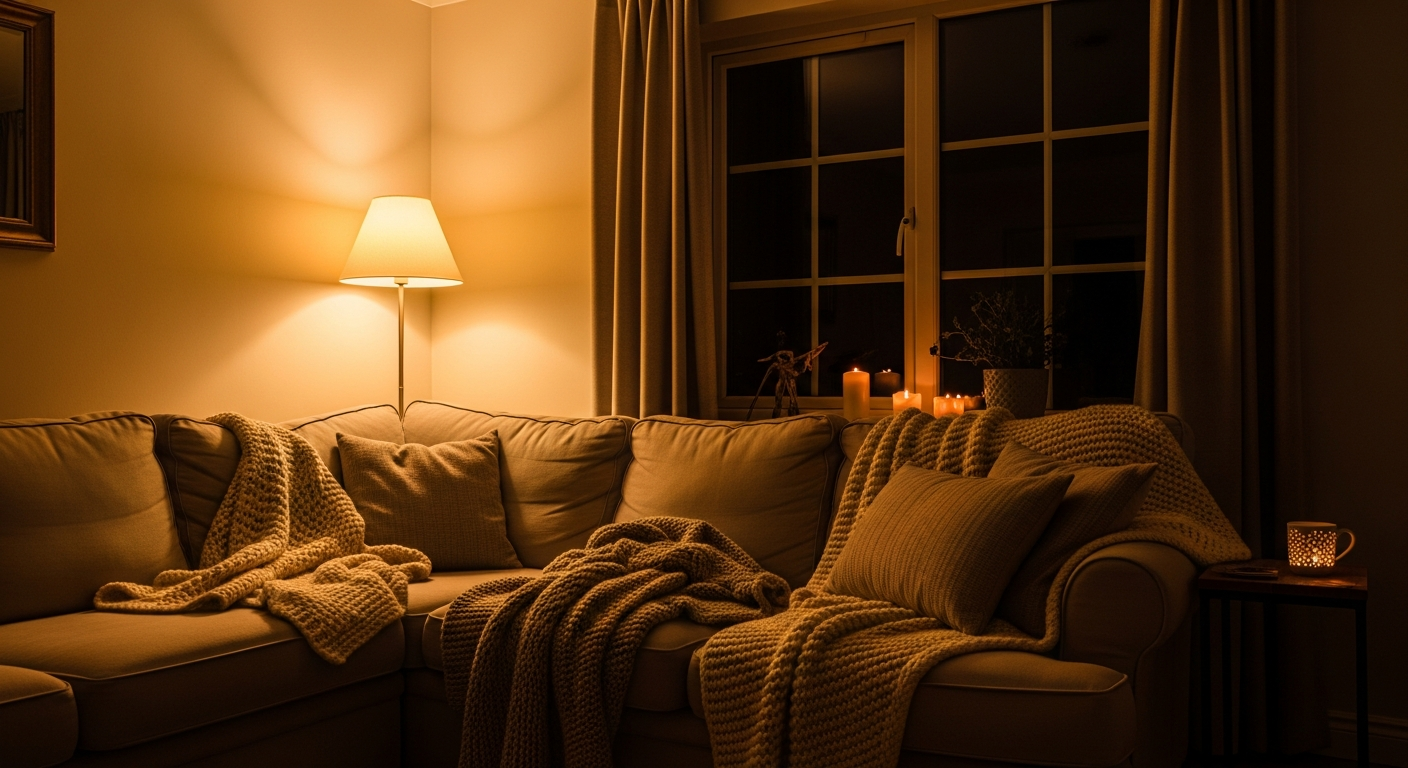
How Soft, Ambient Audio Transforms the Dining Room Experience
The dining room is more than a place to eat. It is where families reconnect, guests feel welcomed, and everyday moments turn into memories. While lighting and furniture often get the most attention, sound is just as important in shaping how the room feels. This is where soft, ambient audio quietly changes everything.
Instead of loud music that interrupts conversation, ambient audio sits gently in the background. It fills the space evenly, creating warmth without demanding attention. Voices sound clearer, the room feels calmer, and meals naturally last longer. The result is a dining experience that feels relaxed, intentional, and thoughtfully designed.
In modern homes, audio is no longer about showing off speakers. It is about hiding technology and letting emotion take the lead. With discreet speakers and carefully balanced volume, music becomes part of the atmosphere, much like candlelight or natural textures.
Professionally designed dining room audio, such as systems planned by Stereo Types, focuses on comfort, not complexity. When sound is done right, you don’t notice the system, you notice how good the room feels.
Key takeaway: Soft, ambient audio turns the dining room into a warmer, more inviting space where conversation and comfort come first.
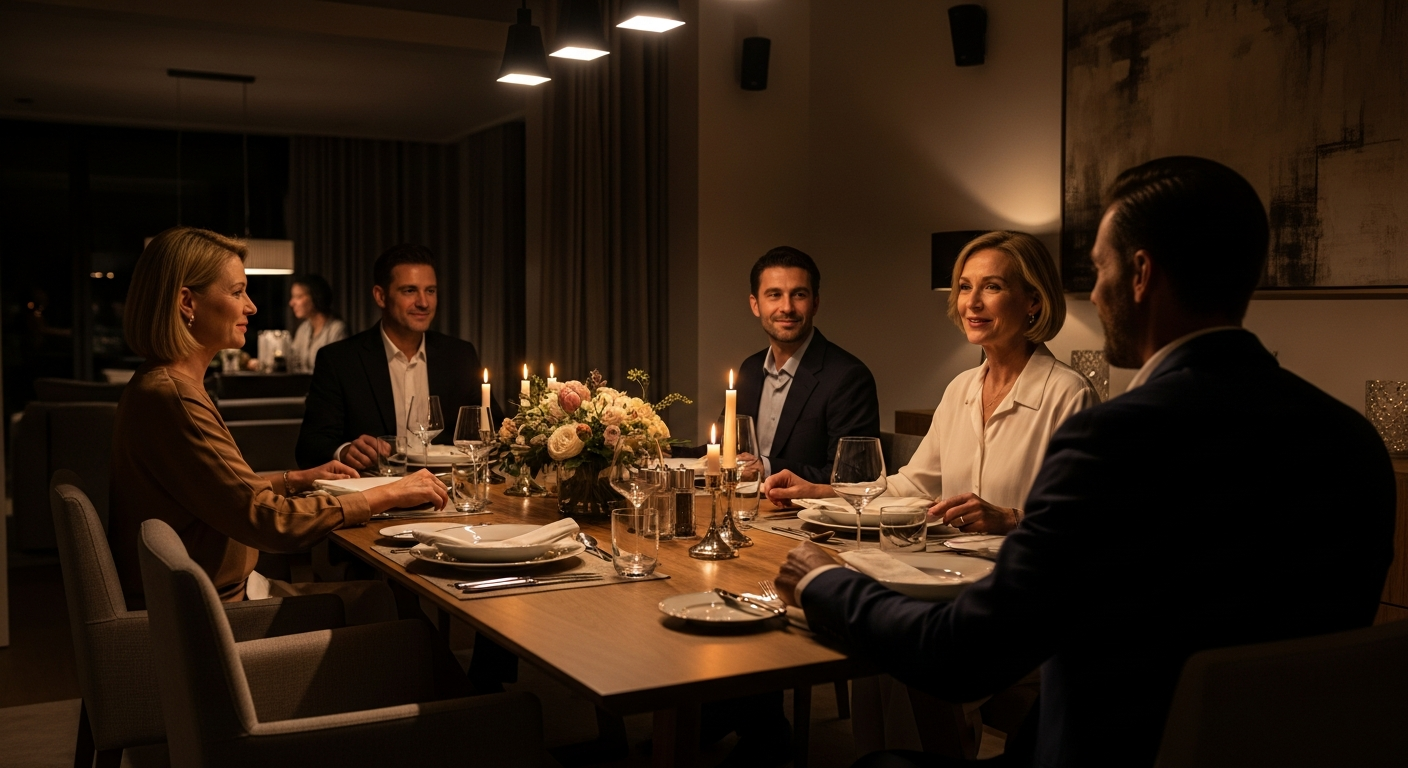
Quick to Know
Soft, ambient audio in the dining room is designed to support the moment, not dominate it. Instead of focusing on volume or powerful bass, this approach emphasizes balance, clarity, and subtlety.
Ambient dining room audio uses evenly distributed speakers, often placed in the ceiling or hidden within the architecture. This allows music to feel present without coming from a single direction. Conversations remain clear, and guests don’t feel the need to raise their voices.
The goal is emotional comfort. Light background music can reduce awkward silence, soften room acoustics, and create a welcoming flow during meals. Whether it’s a quiet family dinner or hosting friends, ambient sound helps the room feel calm and intentional.
In professionally designed systems, audio often works together with lighting scenes and time-of-day settings. One touch can shift the dining room from a bright daytime space to a warm evening atmosphere with matching sound.
Key takeaway: Ambient audio enhances the dining experience by adding warmth and balance, without ever pulling attention away from the table.
Creates a relaxed atmosphere
Improves conversation flow
Enhances hosting experiences
Blends technology into design
Key takeaway: The right ambient audio turns dining into an experience that feels smoother, warmer, and more connected.
Q&A
Is music in the dining room distracting or overwhelming?
When designed correctly, dining room audio should never feel distracting. The key is soft volume, even coverage, and the right speaker placement. Instead of sound coming from one visible source, ambient systems spread audio gently across the room. This removes sharp peaks in volume and avoids pulling attention away from conversation.
The type of music also matters. Instrumental, acoustic, or low-tempo playlists tend to blend into the background and support a relaxed mood. With professional tuning, the sound stays present but subtle, noticeable only when it’s missing.
Key takeaway: Dining room music becomes distracting only when it’s poorly designed; a well-balanced ambient system feels natural and unobtrusive.
What Soft, Ambient Audio Really Means in the Dining Room
Soft, ambient audio is not about filling the dining room with sound. It is about creating a gentle layer that supports the space without drawing attention to itself. In a dining environment, audio should feel evenly spread, calm, and almost invisible, much like warm lighting or natural textures.
Unlike traditional setups where sound comes from one speaker or corner, ambient audio uses multiple discreet speakers to distribute sound evenly. This prevents harsh volume changes and keeps music at a comfortable level no matter where someone is seated. Conversations remain clear, and no one feels the need to speak louder to be heard.
Volume control plays a key role. Ambient dining audio is typically set lower than living room or media room audio. The goal is to soften the room, reduce echoes, and add emotional warmth rather than create energy or focus. When done right, the sound feels like part of the room’s architecture.
Most homeowners only notice how important ambient audio is when it’s missing. Without it, the room can feel flat or quiet in an uncomfortable way. With it, meals flow naturally and the space feels complete.
Key takeaway: Soft, ambient audio works best when it blends seamlessly into the dining room, enhancing comfort without demanding attention.
Soft, ambient audio works because it respects the purpose of the dining room. It does not compete with conversation or draw focus away from the table. Instead, it supports the space quietly and consistently.
By spreading sound evenly and keeping volume controlled, the room feels calmer and more comfortable. Guests relax, conversations flow more naturally, and the overall dining experience feels intentional rather than accidental. The technology stays out of sight, while the atmosphere takes center stage.
This balance is what separates a thoughtfully designed dining room from one that simply has music playing in the background.
Key takeaway: When ambient audio is subtle and well-balanced, it enhances the dining room without ever feeling intrusive.
How Ambient Audio Enhances Everyday Meals and Special Gatherings
Soft, ambient audio quietly adapts to the rhythm of everyday life in the dining room. During family dinners, it helps smooth the transition from a busy day to a calmer evening. Gentle background sound reduces silence, making conversations feel easier and more relaxed, especially during longer meals.
When hosting guests, ambient audio plays an even bigger role. It sets the tone the moment people sit down. Light music helps guests feel comfortable, fills pauses naturally, and keeps the room feeling lively without becoming noisy. The focus stays on food, connection, and shared moments.
Holidays and special occasions benefit from this balance as well. Instead of competing with laughter or conversation, ambient audio supports the celebration. Music feels present but never overpowering, allowing the atmosphere to shift naturally as the evening unfolds.
Even quiet moments, like breakfast or a late-night snack, feel more intentional with soft sound in the background. The dining room becomes a flexible space that works just as well for everyday routines as it does for memorable gatherings.
Key takeaway: Ambient audio adapts to real dining moments, enhancing everyday meals and special occasions without changing how the room is used.
Q&A
What type of music works best for dining rooms?
The best dining room music is calm, neutral, and easy to ignore when needed. Instrumental tracks, soft jazz, acoustic playlists, and light classical music are popular choices because they add atmosphere without pulling attention away from conversation. Low-tempo and lyric-free music works especially well during meals.
Volume matters more than genre. Even energetic music can feel comfortable if it is played softly and distributed evenly across the room. Many homeowners also prefer different playlists for different times of day, brighter sounds for breakfast, warmer tones for evening dining.
With smart audio systems, these preferences can be saved and adjusted easily, making the experience feel natural every time.
Key takeaway: The right dining room music supports conversation and mood, with volume and balance being more important than the genre itself.
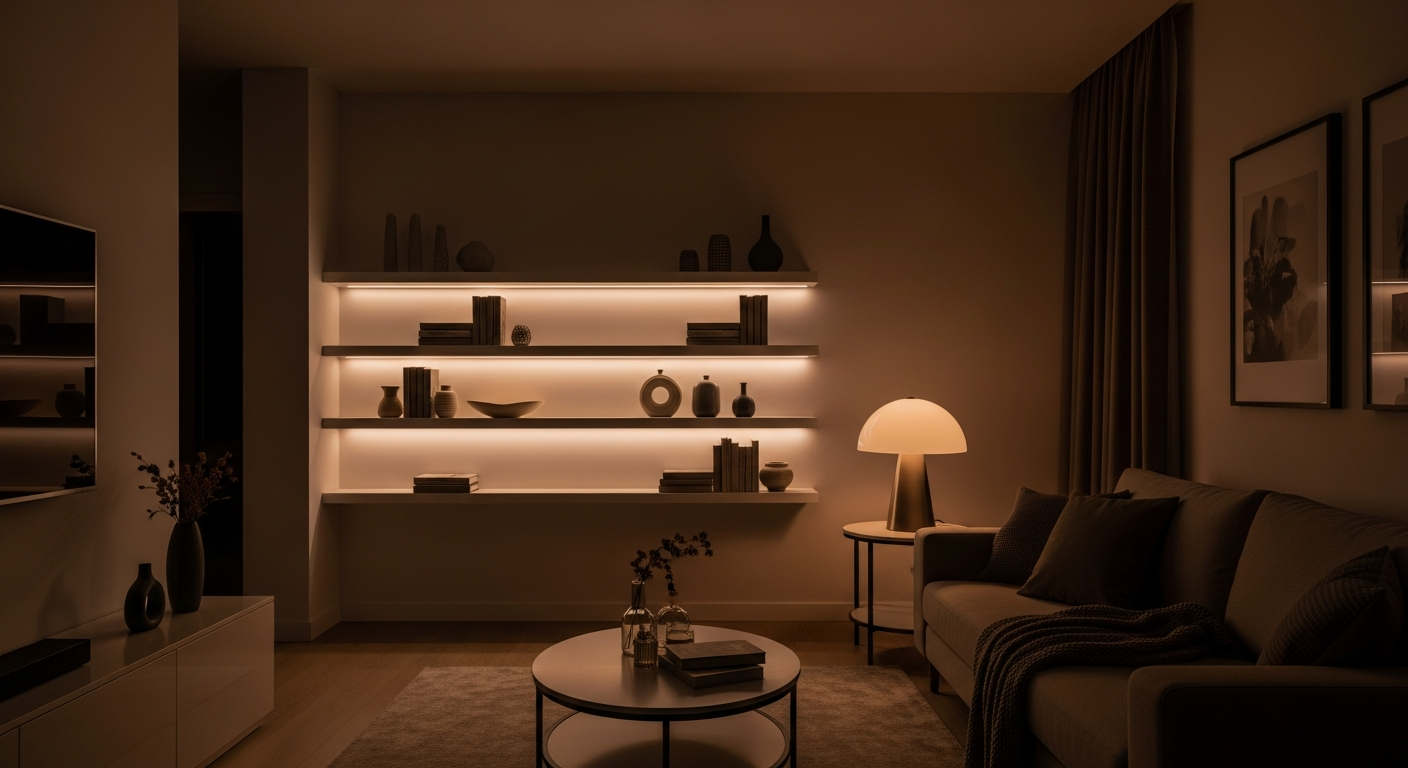
The Technology That Makes Dining Room Audio Feel Effortless
Great dining room audio starts with technology that stays out of sight and out of mind. Instead of visible speakers or single sound sources, modern systems rely on in-ceiling or discreetly integrated speakers. This allows sound to spread evenly across the table, so everyone hears the same gentle volume no matter where they sit.
Audio zoning is another key element. The dining room can have its own volume level and music selection, separate from the kitchen or living room. This prevents sound overlap and keeps the dining experience calm and controlled. With proper tuning, music feels consistent and never sharp or distracting.
Many systems also connect audio with lighting scenes. A single preset can lower lights, warm the color temperature, and adjust music volume together. This creates a smooth transition from daytime meals to evening dining without manual adjustments.
The best systems are designed professionally, with speaker placement and calibration tailored to the room’s size, ceiling height, and materials. When technology is planned correctly, it disappears, leaving only comfort and atmosphere behind.
Key takeaway: Thoughtful technology design ensures dining room audio feels effortless, balanced, and perfectly matched to the space.
The strength of a well-designed dining room audio system lies in how little attention it demands. When speakers are placed correctly and sound is tuned to the room, music feels natural rather than noticeable. There are no loud spots, no distractions, just a consistent, gentle atmosphere.
By combining discreet hardware, zoning, and simple controls, technology supports the dining experience instead of interrupting it. The room feels calmer, conversations feel easier, and every meal benefits from a subtle sense of balance.
This is what makes professionally designed ambient audio different from basic speaker setups.
Key takeaway: When technology fades into the background, the dining room feels more comfortable, refined, and complete.
Expert Design Tips and the Future of Sound in Dining Spaces
Designing great dining room audio is about planning, not adding equipment later. One of the most important expert tips is speaker placement. Speakers should be positioned to cover the table evenly, not aimed directly at seats. This creates a soft sound field that feels natural from every angle.
Volume calibration is just as important. Dining rooms benefit from lower, carefully balanced levels that support conversation. A professional setup ensures the system is tuned to the room’s size, ceiling height, and materials, avoiding echo or sharp reflections.
Another key tip is linking audio with lighting scenes. Evening dining feels more comfortable when warm lighting and soft music adjust together. Instead of separate controls, one simple scene can transform the room instantly.
Looking ahead, dining rooms are being designed as experience spaces rather than formal, rarely used rooms. Sound, lighting, and control systems are planned from the start to create flexible, everyday comfort. Audio will continue to become quieter, smarter, and more integrated into the home’s architecture.
Key takeaway: The future of dining rooms is experience-driven, where professionally planned ambient audio plays a central but invisible role.
Q&A
Do I need professional installation for dining room audio?
While basic speakers can be installed independently, professional design makes a clear difference in dining rooms. The goal is not volume or power, but balance and comfort. A professional installer considers room size, ceiling height, furniture layout, and surface materials to ensure sound is evenly distributed.
Professionally installed systems also integrate audio with lighting and other smart home features, creating simple scenes instead of multiple controls. This reduces daily effort and improves consistency.
Most importantly, expert installation prevents common issues like uneven volume, visible hardware, or sound that feels distracting.
Key takeaway: Professional installation ensures dining room audio feels natural, balanced, and perfectly suited to the space
Soft, ambient audio transforms the dining room from a functional space into an experience-focused environment.
Unlike loud or directional speakers, ambient systems distribute sound evenly, keeping music subtle and comfortable.
The right audio setup supports conversation, reduces awkward silence, and helps guests feel more relaxed.
Discreet speaker placement allows technology to disappear, keeping attention on food, people, and design.
Different dining moments, family meals, hosting guests, holidays, or quiet mornings, benefit from gentle background sound.
Music choice matters, but volume balance and even coverage are more important than genre.
Modern systems allow dining room audio to be zoned separately from other areas of the home.
Integrating audio with lighting scenes creates a smoother transition between daytime and evening dining.
Professional design ensures proper speaker placement, calibration, and long-term comfort.
The future of dining room design focuses on atmosphere, where sound plays a quiet but essential role.
Key takeaway: Thoughtfully designed ambient audio elevates every dining moment while staying calm, subtle, and nearly invisible.
The dining room is one of the most shared spaces in your home, and it deserves to feel comfortable, calm, and thoughtfully designed. Soft, ambient audio adds a layer of warmth that enhances conversation, hosting, and everyday meals, without adding visual clutter or complexity.
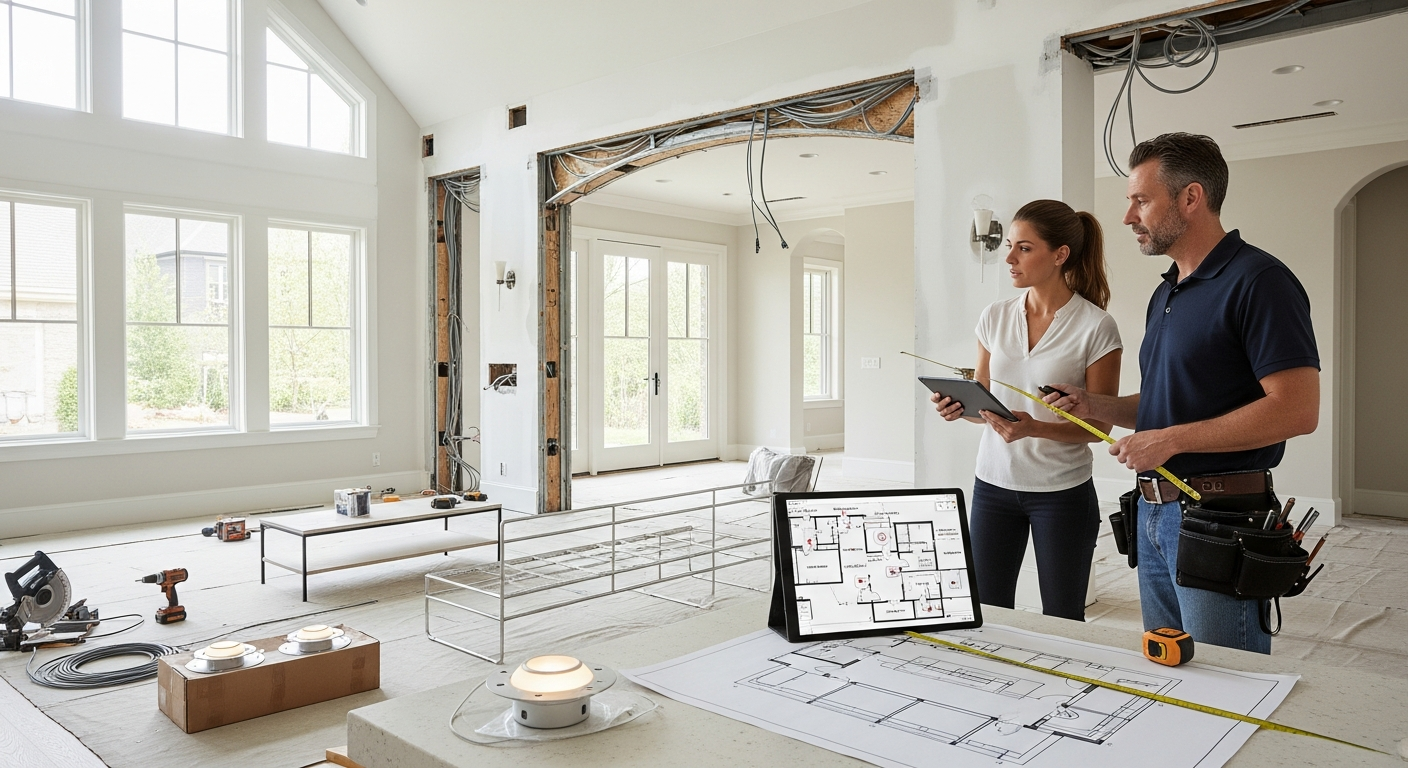
If you are planning a new home, renovating, or upgrading your dining space, professional audio design makes all the difference. A system tailored to your room ensures sound feels natural, balanced, and effortless every time you sit down.
Connect with Stereo Types to explore dining room audio solutions designed around comfort and lifestyle. With expert planning and discreet technology, your dining room can sound as good as it looks.